

Plastic granulate
A pneumatic conveying system moves plastic granulate through pipes to the injection moulding machines by vacuum. IoT measures the pressure at the filters and reports when cleaning is due, so capacity is maintained and different granulates do not mix.
Plastic granulate at a glance
Most frequent in the projects on this page
Industries
Technologies
Users in these projects


Verified projects featuring Plastic granulate
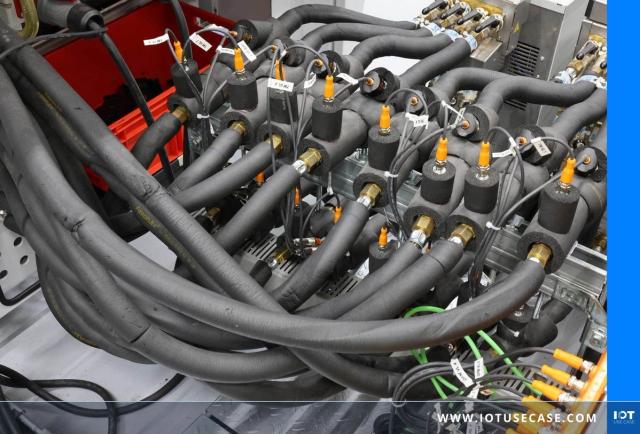



Monitoring injection mould cooling via IO-Link to cut energy use
From gut feeling to hard data: at RAFI in Bad Waldsee, sensors and the moneo IIoT platform make the injection moulding process transparent. Temperatures, flow rates, compressed air and energy consumption are recorded, visualised and analysed continuously.
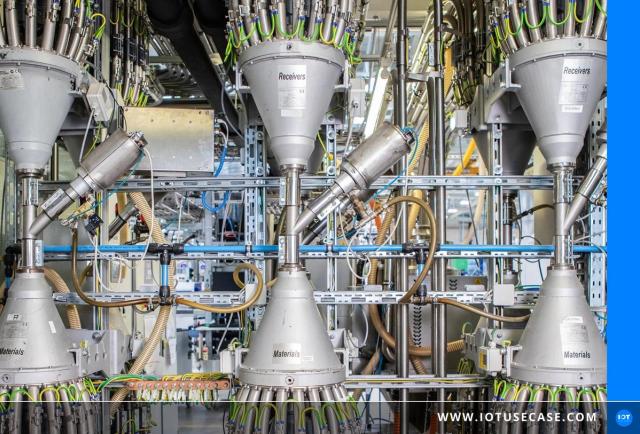



Determining the optimal maintenance time – predictive filter monitoring of a material distribution system
Pneumatic conveying system for granulate: predictive maintenance
In its material distribution system, WAGO measures the pressure upstream and downstream of the filters in the exhaust pipes. Analytics methods forecast from this how quickly contamination is progressing and automatically create a maintenance order in the SAP system at the right moment. Machine learning models search the sensor data of the conveying system for anomalies, and a dashboard flags them and shows live and historical data. The signals are captured via a WAGO 750 Series I/O system and analysed on a local edge computer. At RAFI, the pre-dried granulate is plasticised in the injection moulding machine; IO-Link sensors record temperature, flow, power consumption and compressed air there and feed the values into ifm's IIoT platform moneo.
Both examples come from plastics processing at manufacturers in automation and electronics. WAGO produces housings from various plastic granulates and now cleans the filters as needed rather than at fixed intervals. This reduces maintenance effort, increases process reliability and saves energy because the vacuum pumps need less power. The time spent on troubleshooting fell by more than half. Podcast episode #83 takes listeners through the WAGO plant. RAFI in Bad Waldsee uses the data to apply cooling water, electricity and compressed air in a targeted way.
Podcast episodes featuring Plastic granulate
Pneumatic conveying systems for granulate: frequently asked questions
How does a central material conveying system supply granulate to the machines?
At WAGO, the plastic granulate reaches the injection moulding machine through a pipe system driven by vacuum pumps that create negative pressure. Much like a pneumatic tube system, they deliver the different granulates to wherever they are needed. The air flow carries dust with it, so filters in the exhaust pipes protect the pumps. If a filter becomes too full, conveying capacity drops, and in the worst case two granulates mix in the pipe.
When does the filter of a vacuum conveying system need cleaning?
The filter needs cleaning before conveying capacity falls below an acceptable level, not according to a fixed schedule. WAGO used to clean the filters of its material distribution system at fixed intervals, often unnecessarily, and had to shut the system down to do so. Today, sensors measure the pressure upstream and downstream of the filter. From the contamination forecast, the system automatically creates a maintenance order in the SAP system.
How can a hopper loader system for granulate save energy?
Clean filters save energy because the vacuum pumps then need less power. Since introducing predictive maintenance, WAGO cleans the filters of its material conveying system earlier when contamination is heavier. According to WAGO, the savings cannot be quantified across the board because they depend on many factors. As the pumps often run at several kilowatts, however, the effect is certainly significant.
How are faults in a material distribution system detected early?
Early signs of faults are anomalies in the sensor data, which machine learning models detect before major failures occur. WAGO replaced Excel lists with such models, which independently identify patterns in current and historical data. A dashboard flags detected anomalies and allows users to run their own analyses with live and historical data over any period. As a result, the time spent on troubleshooting fell by more than fifty per cent.
More assets in “Piece Goods / Bulk Material”

Parcel
Parcel sorting with IoT starts in goods receiving, where sensors capture each parcel’s tracking number, size and weight. Shipments are routed by priority, packing teams know early what is coming, and manual scanning ends.

Workpiece
Manufacturing traceability assigns each workpiece its identifier, its position and all process and inspection data. Manufacturers can thus document every work step and detect quality deviations before scrap is produced.

Printed circuit board
PCB manufacturing digitalisation connects machines, controllers and the ERP so that every printed circuit board is produced with the right parameters. Manufacturers detect downtime and bottlenecks, avoid operating errors and give customers the production data they ask for.
Raw material batch
Batch management with IoT links every raw material batch to weighing data, test results and the production order. When deviations or audits occur, manufacturers see at once which batch went into which product instead of searching paper and Excel files.

Goods in transit
Cargo theft prevention starts with IoT trackers that report the position, temperature and shocks of goods in transit. They show shippers at all times where their goods are and reveal break-in attempts, delays or problems in the cold chain.

Injection-moulded part
Injection moulding defects often show up in cooling and process data before they become visible on the moulded part. IoT continuously records mould temperature, cooling water and machine data so that deviations are noticed before faulty parts are produced.
IIoT Use Case user group
What no project tells you
What did the project cost? Which sensor didn't survive in the field? How did you get maintenance on board? 300+ industrial users discuss questions like these with each other every month, openly and without vendors in the room.
Frequent topics in these projects, bring your questions:
- Condition Monitoring
- Energy Monitoring
- Predictive Maintenance
Online every month
Alternating tech and business focus
Users only
No sales pitches, exchange under NDA
300+ members
OT, IT and IIoT leads from industry
