Goods in transit
Cargo theft prevention starts with IoT trackers that report the position, temperature and shocks of goods in transit. They show shippers at all times where their goods are and reveal break-in attempts, delays or problems in the cold chain.
Goods in transit at a glance
Most frequent in the projects on this page
Users in these projects


Verified projects featuring Goods in transit




Cargo theft prevention: keep goods in view on the road
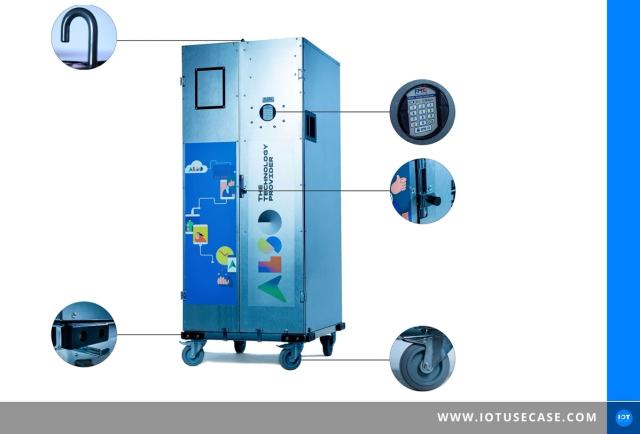
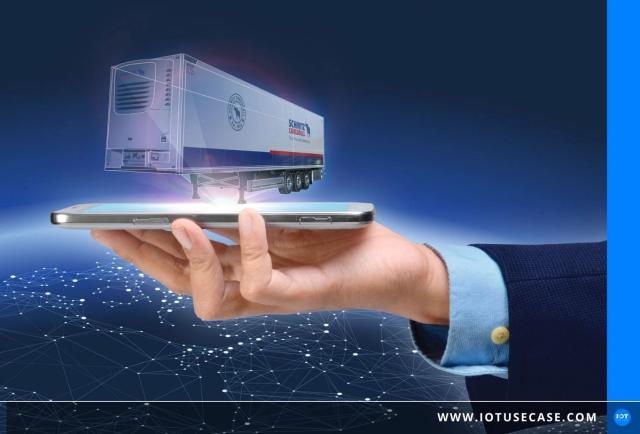
ALSO's Dolly+ logistics trolley is locked electronically and only opened at its destination with a PIN that the recipient receives automatically. A GPS tracker reports its position to the ALSO IoT platform, and sensors for shocks, humidity, temperature, tilt and movement can be added if needed. If values look unusual, an alarm is sent by email or text message. In Schmitz Cargobull's semi-trailers, a telematics module with a SIM card transmits encrypted data to Microsoft Azure. Services such as IoT Hub and Stream Analytics and a data lake prepare it for the customer portal, from which key data also flows into customers' ERP systems.
The examples come from retail and logistics. Cyberport tested Dolly+ for consumer electronics on their way to its own stores. During the pilot project there were no losses of goods, although there were several break-in attempts; Cyberport now uses 15 trolleys on a rental model. Schmitz Cargobull gives haulage companies access to the location and data of their goods through its portal. In podcast episode #50, Michael Schöller of Schmitz Cargobull explains how temperature and position data prove compliance with the cold chain without manual processes.
Podcast episodes featuring Goods in transit
Cargo theft and goods in transit: frequently asked questions
How does cold chain monitoring work in transport?
Sensors in the vehicle continuously record the temperature and position of the cargo and send them to the cloud. This makes it possible to prove cold chain compliance without time-consuming and error-prone manual processes. Schmitz Cargobull fits its refrigerated trailers with a telematics unit before they leave the factory. Through the customer portal on Microsoft Azure, haulage companies locate their goods and retrieve relevant key figures.
How does shipment visibility work in your own delivery network?
A GPS tracker in the transport container continuously reports its position to an IoT platform. This is how Cyberport tracks its trolleys on the way to its stores, even when goods are transshipped several times en route. Authorised staff see the location on the ALSO IoT platform, and a web app manages the required permissions. In the event of delays or deviations, Cyberport can inform the recipients quickly.
How can freight theft of high-value goods be prevented?
At Cyberport, the combination of a locked container and continuous location tracking has proven effective. ALSO's Dolly+ is locked electronically and can only be opened with a PIN that the store receives automatically. Sensors for shocks, tilt and movement register, for example, unusual movements at night and trigger an alarm by email or text message. In the pilot, with devices often worth mid four-figure sums, no goods were lost.
How do haulage companies keep track of goods in transit?
Haulage companies can see at any time through a customer portal where their goods are. At Schmitz Cargobull, a telematics module in the trailer sends encrypted data to the cloud, where it is processed, stored securely and prepared for customers. The data belongs to the haulage company. Through the portal on Microsoft Azure, customers retrieve key figures, and important data flows seamlessly into their ERP systems.
More assets in “Piece Goods / Bulk Material”

Parcel
Parcel sorting with IoT starts in goods receiving, where sensors capture each parcel’s tracking number, size and weight. Shipments are routed by priority, packing teams know early what is coming, and manual scanning ends.

Workpiece
Manufacturing traceability assigns each workpiece its identifier, its position and all process and inspection data. Manufacturers can thus document every work step and detect quality deviations before scrap is produced.

Printed circuit board
PCB manufacturing digitalisation connects machines, controllers and the ERP so that every printed circuit board is produced with the right parameters. Manufacturers detect downtime and bottlenecks, avoid operating errors and give customers the production data they ask for.

Raw material batch
Batch management with IoT links every raw material batch to weighing data, test results and the production order. When deviations or audits occur, manufacturers see at once which batch went into which product instead of searching paper and Excel files.

Injection-moulded part
Injection moulding defects often show up in cooling and process data before they become visible on the moulded part. IoT continuously records mould temperature, cooling water and machine data so that deviations are noticed before faulty parts are produced.

Inventory
Real time inventory tracking with IoT records stock automatically: sensors, code readers and RFID book every withdrawal and load as soon as it moves. Teams save warehouse walks and manual counts, and the ERP knows the actual stock level.
IIoT Use Case user group
What no project tells you
What did the project cost? Which sensor didn't survive in the field? How did you get maintenance on board? 300+ industrial users discuss questions like these with each other every month, openly and without vendors in the room.
Frequent topics in these projects, bring your questions:
- Asset Tracking/ Track and Trace
- Fleet Management
- Fraud and Loss Prevention
Online every month
Alternating tech and business focus
Users only
No sales pitches, exchange under NDA
300+ members
OT, IT and IIoT leads from industry