

Rolling bearing
Bearing condition monitoring with IoT records the vibration and condition of rolling bearings in motors, drives and machines. Operators see bearing damage and imbalance coming, plan bearing replacements and replace manual measurement rounds with continuous measurement.
Rolling bearing at a glance
Most frequent in the projects on this page
Use cases
Technologies
Users in these projects


Verified projects featuring Rolling bearing
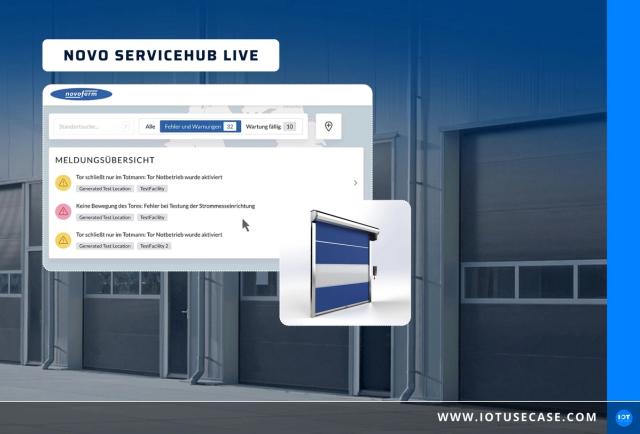






Cloud-based maintenance solutions for automated door systems
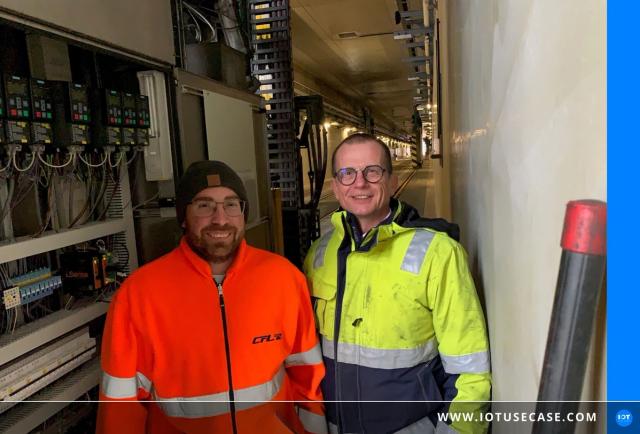




Predictive maintenance of train washing stations
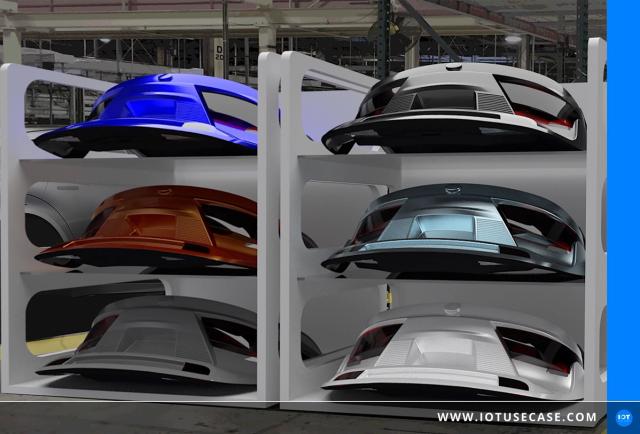



Condition monitoring in paint shops – new benchmark for Magna group
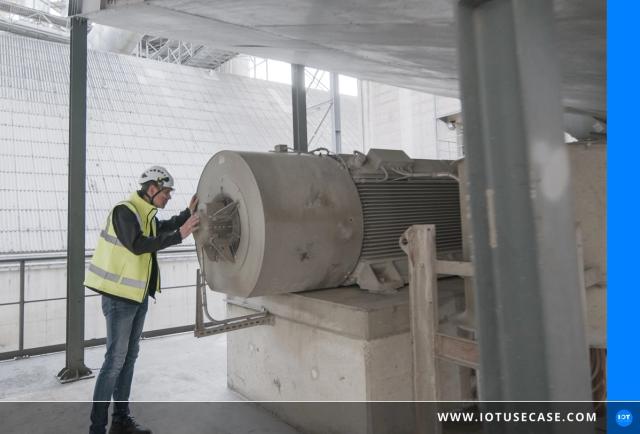


Maximum availability of drive systems in cement production






Condition-based maintenance as a retrofit
Bearing condition monitoring: find bearing damage before it stops you
In the solution examples, sensors on motors and machines record vibration, imbalance, temperature and the condition of the rolling bearings. Arrow's iCOMOX sensor box also captures magnetic field and acoustic data; an edge device filters the data and sends only changes to the cloud via NB-IoT, Power over Ethernet or SmartMesh radio. At ifm, a diagnostic unit evaluates the signals in the field and passes them on to the moneo platform. Innomotics analyses the rolling bearings of large drives with algorithms retrieved directly from Schaeffler through an API. On Novoferm door systems, current curves of the drive indicate wear in ball bearings.
The examples come from the automotive, cement, construction and sheet metal industries, mostly as condition monitoring or predictive maintenance. In its paint shop, Magna International monitors motors, pumps and ventilation units of up to 90 kW continuously instead of measuring them by hand every six months, and has made the pilot a benchmark for the group. On laser cutting machines, the Codestryke solution shows immediately after a fault which bearing is damaged. Rohrdorfer Zement monitors the heavy-duty drives of its plant with Innomotics.
Bearing condition monitoring: frequently asked questions
How does bearing vibration monitoring work?
A sensor on the bearing or bearing housing continuously measures vibration and usually temperature as well. Software compares the values with limit values or with the known normal state. If the vibration pattern changes, the system issues a warning, at Magna for example as a traffic light in the dashboard and as an alarm by smartphone or email. Maintenance can then schedule the bearing replacement instead of waiting for a failure.
What are the warning signs of bearing failure?
Bearing failure usually announces itself through changing vibration and rising temperatures long before it can be heard. Sensors detect these changes early, together with related faults such as imbalance, shaft misalignment or loose machine parts. The drive current can also provide clues: at Novoferm, current curves indicate wear in ball bearings or belts before a total failure occurs.
How can bearing faults be detected before a machine fails?
Bearing faults are detected early when the machine is measured permanently rather than only during inspection rounds. On laser cutting machines, Codestryke uses a retrofitted sensor box that measures vibration, magnetic field, acoustics and temperature. A cloud analytics application determines the condition of the components at any time. After a fault, it is immediately clear whether a bearing is damaged and which bearing it is.
Which vibration sensors are suitable for bearing monitoring?
Suitable vibration sensors can be retrofitted without changing the control system and transmit their data themselves. In the solution examples, these are compact sensor boxes such as Arrow's iCOMOX, mounted inside or outside the machine, and ifm vibration sensors with evaluation in the field. Many drives already have temperature and vibration sensors on board, and according to Innomotics, missing ones are easy to retrofit.
More assets in “Components & Devices”

Filter
Filter monitoring with IoT measures the differential pressure across a filter and shows how dirty it is. Operators change filters when it is actually necessary, avoid clogged filters and downtime, and save energy and material.

Energy chain
An energy chain with IoT sensors continuously reports the condition of the cable management on moving machinery. Operators learn about overload, blockages or chain breakage before the machine stops, and plan chain replacement according to actual use.

Lighting
Commercial lighting control with IoT adjusts the lighting in offices, halls, shops and advertising installations according to occupancy, brightness and schedules, and monitors every luminaire remotely. Operators cut electricity consumption and learn about failures immediately.

Electricity meter
Automatic meter reading means that electricity meter readings reach a platform via radio, cellular network or pulse adapter, with no on-site reading. Operators bill more accurately and see where energy is consumed in a building or in production.

Charging station
Commercial EV charging relies on load management that distributes the available power across all charging stations at a site and monitors them remotely. Operators avoid overloading the grid connection, integrate photovoltaics and storage, and bill sessions automatically.

Piping network
Pipeline monitoring with IoT reports pressure drops, pressure peaks and moisture under insulation in a piping network before they turn into failures. Operators maintain pipes according to their condition and avoid inspection rounds to hard-to-reach measuring points.
IIoT Use Case user group
What no project tells you
What did the project cost? Which sensor didn't survive in the field? How did you get maintenance on board? 300+ industrial users discuss questions like these with each other every month, openly and without vendors in the room.
Frequent topics in these projects, bring your questions:
- Condition Monitoring
- Predictive Maintenance
- Corrective maintenance
Online every month
Alternating tech and business focus
Users only
No sales pitches, exchange under NDA
300+ members
OT, IT and IIoT leads from industry
