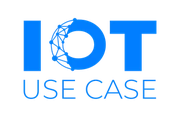
Electricity meter
Automatic meter reading means that electricity meter readings reach a platform via radio, cellular network or pulse adapter, with no on-site reading. Operators bill more accurately and see where energy is consumed in a building or in production.
Electricity meter at a glance
Most frequent in the projects on this page
Technologies
Users in these projects


Verified projects featuring Electricity meter





Automated Energy Consumption Measurements in Residential Buildings





Energy-efficient building management with LoRaWAN submetering



Reducing energy consumption with a cloud-based analysis solution
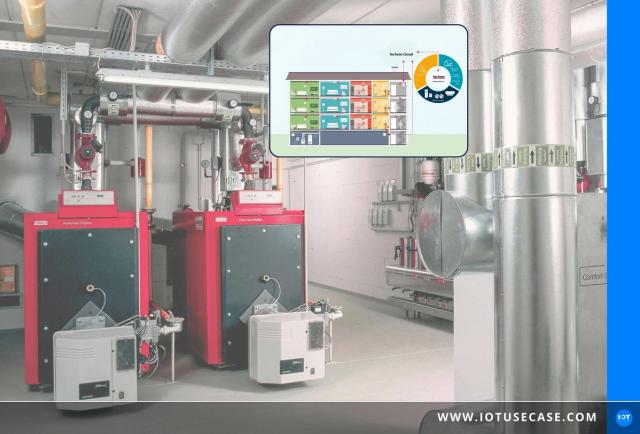




PKI in use at Techem




Precise power consumption forecasts


Energy suppliers brace themselves against cyberattacks on smart meters
Automatic meter reading for electricity meters
The solution examples use three approaches. Existing meters receive an adapter that converts their pulses into kilowatt hours and reports them via MQTT to an edge server, as with Perinet and Zentinel. For submetering in residential buildings, radio meters send their values via LoRaWAN, with batteries lasting up to ten years. Smart metering systems send the data via a smart meter gateway over the cellular network to the metering point operator. In production, platforms such as ENLYZE link meter data with machine and order data and show how much energy each order consumes. Because meters supply billing-relevant data, encrypted transmission, certificates and attack detection are part of the solution.
The examples come mainly from energy supply, the housing industry and manufacturing, typically for smart metering, submetering and billing automation. Sontex and UPLINK equipped properties in the Karlsruhe area with LoRaWAN energy meters for Kolb Energieservice. Metering service provider co.met connects smart meter gateways using Telefónica's Global SIM, which switches automatically between mobile networks. Energie Steiermark uses smart meter data from more than 600,000 customers to forecast electricity demand to the quarter hour.
Podcast episodes featuring Electricity meter
Big deployments, big risks: Why anomaly detection and cyber regulations are essential
Pay-as-you-use principle in the energy industry and smart connectivity
Business model in wholesale – added value through IoT for electrical, heating and sanitary installations
Automatic meter reading: frequently asked questions
How does an automatic meter reading system work?
Electricity meters can be read automatically by transmitting their values digitally via an interface or an adapter. Older meters output pulses, and an adapter converts them into kilowatt hours and forwards them, for example via MQTT. Radio meters transmit their values via LoRaWAN, smart metering systems via a smart meter gateway over the cellular network. The data ends up in a platform that makes it available for billing and analysis.
How do metering operators connect smart meter gateways via cellular networks?
Metering operators usually connect the smart meter gateway, the communication unit of a smart metering system, via the cellular network. The gateway is installed in the meter cabinet in addition to the meter, contains a security module and sends the data from the digital meter to the electricity supplier for billing, for example. The metering service provider co.met, which handles around four million metering points for municipal utilities, uses Telefónica's Global SIM, which switches between mobile networks as required.
What is electricity submetering?
Submetering means measuring consumption separately below the main meter, for example per apartment, rental unit, department or machine. This allows consumption to be billed to whoever caused it and reduced in a targeted way. In the solution examples, submeters transmit their values via LoRaWAN or via pulse adapters and MQTT. The Perinet and Zentinel solution records the electricity consumption of each apartment in a large residential building this way and automates billing.
How secure is remote electricity meter monitoring?
Remote meter monitoring is as secure as its protection, and in the solution examples this is an integral part. Techem secures data transfer between radio collection devices, the IoT cloud and its data centre with a public key infrastructure and certificates. Perinet uses TLS encryption and role-based access. For energy suppliers, Rhebo detects attacks on the smart meter infrastructure in real time, as required by the German IT Security Act.
More assets in “Components & Devices”

Filter
Filter monitoring with IoT measures the differential pressure across a filter and shows how dirty it is. Operators change filters when it is actually necessary, avoid clogged filters and downtime, and save energy and material.

Energy chain
An energy chain with IoT sensors continuously reports the condition of the cable management on moving machinery. Operators learn about overload, blockages or chain breakage before the machine stops, and plan chain replacement according to actual use.

Lighting
Commercial lighting control with IoT adjusts the lighting in offices, halls, shops and advertising installations according to occupancy, brightness and schedules, and monitors every luminaire remotely. Operators cut electricity consumption and learn about failures immediately.

Charging station
Commercial EV charging relies on load management that distributes the available power across all charging stations at a site and monitors them remotely. Operators avoid overloading the grid connection, integrate photovoltaics and storage, and bill sessions automatically.

Piping network
Pipeline monitoring with IoT reports pressure drops, pressure peaks and moisture under insulation in a piping network before they turn into failures. Operators maintain pipes according to their condition and avoid inspection rounds to hard-to-reach measuring points.

Power tool
Connected tools bring rivet tools, screwdrivers and cordless power tools into the networked factory. Every work step is documented, failed attempts are detected, and the data feeds into quality assurance and production control.
IIoT Use Case user group
What no project tells you
What did the project cost? Which sensor didn't survive in the field? How did you get maintenance on board? 300+ industrial users discuss questions like these with each other every month, openly and without vendors in the room.
Frequent topics in these projects, bring your questions:
- Energy Monitoring
- Digital Documentation
- Fraud and Loss Prevention
Online every month
Alternating tech and business focus
Users only
No sales pitches, exchange under NDA
300+ members
OT, IT and IIoT leads from industry