

Radiator
Office temperature control with IoT regulates radiators and radiant panels room by room and integrates them into central building control, together with lighting, blinds and meters. Operators see operating figures in real time.
Radiator at a glance
Most frequent in the projects on this page
Technologies
Users in these projects


Verified projects featuring Radiator






Office temperature control: radiators managed centrally
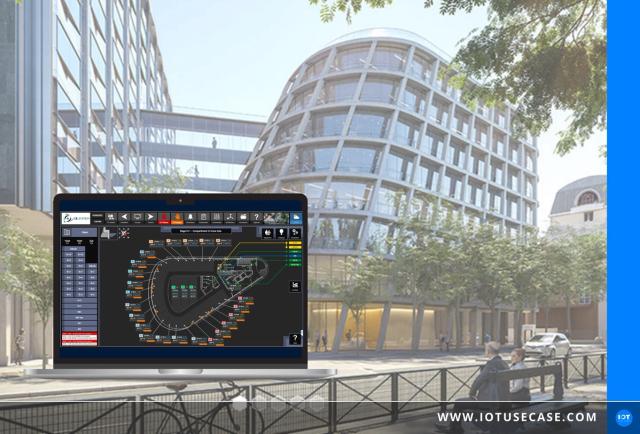
For the BIOME office building in Paris, Société Foncière Lyonnaise required building management software that integrates all field devices via BACnet IP, includes water and electricity meters and shows the HVAC energy status. This covers control of blinds and radiant panels, DALI and DALI-2 lighting, brightness control and presence detection. Comfort is controlled via Bluetooth and a virtual remote control, and comfort zones can be reconfigured dynamically. The software is ICONICS GENESIS64, a web-based HMI/SCADA suite with WebHMI. At Purmo Group, a new thermostat, an electric radiator, a mobile app and a cloud solution on Amazon Web Services come together.
The examples come from real estate as well as energy and environment, as IoT-based energy management and HVAC control for heating and cooling. Systems integrator CR System implemented the building control of the BIOME, which covers around 25,000 square metres, for Société Foncière Lyonnaise. The operations team has all system data in one place, monitors every operating figure and achieves higher energy efficiency as a result. Purmo Group is developing a solution for controlling radiators via a smartphone app. Materna provided technical consulting, coordinated the globally distributed suppliers and assessed the use of AWS.
Office temperature control: frequently asked questions
How does a commercial radiator control system work in a large office building?
Radiators and radiant panels are controlled via building management software that integrates all field devices. In the BIOME building of Société Foncière Lyonnaise in Paris, this is done via BACnet IP with the ICONICS GENESIS64 HMI/SCADA suite. It shows the HVAC energy status and the water and electricity meters. This lets the operations team monitor every operating figure across around 25,000 square metres and, according to the solution example, achieve higher energy efficiency.
Can hydronic radiant ceiling panels be controlled like connected radiators?
Yes, radiant panels can be integrated into building control just like radiators. For its BIOME office building, Société Foncière Lyonnaise explicitly required control of blinds and radiant panels via the building management software. The software controls and monitors the climate and electrical systems centrally and provides operating figures in real time. The solution example belongs to the HVAC use case covering ceiling panels, heating and cooling.
How does office climate control work for individual users?
The room climate is managed via comfort controls that users operate themselves and that are linked to the room's heating and cooling surfaces. In the BIOME building in Paris, this works via Bluetooth and a virtual remote control, complemented by presence detection and brightness control. Comfort zones can be reconfigured dynamically. The operations team uses dynamic real-time data to manage work and comfort across the whole building.
What does a connected heating setup with BMS thermostats include?
It includes connected thermostats on the radiators, a cloud solution and a user interface for occupants and operators. As a manufacturer, Purmo Group developed a new thermostat and an electric radiator together with a mobile application and a cloud on Amazon Web Services, with Materna coordinating the globally distributed suppliers. In the BIOME office building, comfort is controlled via Bluetooth and a virtual remote control.
More assets in “Components & Devices”

Filter
Filter monitoring with IoT measures the differential pressure across a filter and shows how dirty it is. Operators change filters when it is actually necessary, avoid clogged filters and downtime, and save energy and material.

Energy chain
An energy chain with IoT sensors continuously reports the condition of the cable management on moving machinery. Operators learn about overload, blockages or chain breakage before the machine stops, and plan chain replacement according to actual use.

Lighting
Commercial lighting control with IoT adjusts the lighting in offices, halls, shops and advertising installations according to occupancy, brightness and schedules, and monitors every luminaire remotely. Operators cut electricity consumption and learn about failures immediately.

Electricity meter
Automatic meter reading means that electricity meter readings reach a platform via radio, cellular network or pulse adapter, with no on-site reading. Operators bill more accurately and see where energy is consumed in a building or in production.

Charging station
Commercial EV charging relies on load management that distributes the available power across all charging stations at a site and monitors them remotely. Operators avoid overloading the grid connection, integrate photovoltaics and storage, and bill sessions automatically.

Piping network
Pipeline monitoring with IoT reports pressure drops, pressure peaks and moisture under insulation in a piping network before they turn into failures. Operators maintain pipes according to their condition and avoid inspection rounds to hard-to-reach measuring points.
IIoT Use Case user group
What no project tells you
What did the project cost? Which sensor didn't survive in the field? How did you get maintenance on board? 300+ industrial users discuss questions like these with each other every month, openly and without vendors in the room.
Frequent topics in these projects, bring your questions:
- Energy Monitoring
- Sustainability (ESG)
Online every month
Alternating tech and business focus
Users only
No sales pitches, exchange under NDA
300+ members
OT, IT and IIoT leads from industry
