Medical device
Connected medical devices in hospital and clinic settings can be updated, monitored and managed remotely. Manufacturers avoid on-site visits, comply with local regulations and extend the service life of their devices.
Medical device at a glance
Most frequent in the projects on this page
Industries
Verified projects featuring Medical device


Connected medical devices in hospital: remote updates
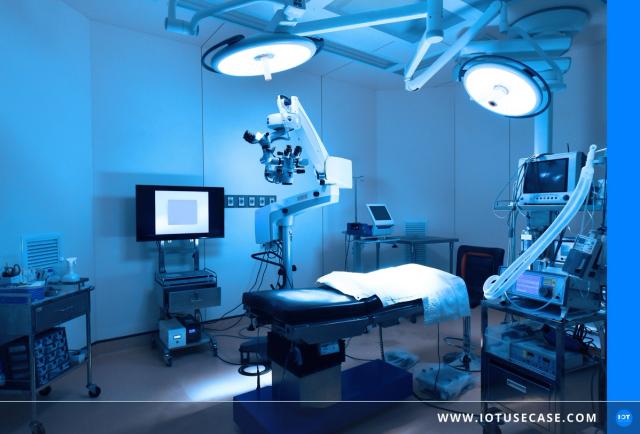
In the solution example, a medical device manufacturer manages its fleet with the device management platform from Cumulocity. Devices are connected via SDKs and APIs, in minutes even at scale. The platform provides updates almost immediately; they are approved and installed at a convenient time, in line with the requirements of each location. Streaming analytics deliver each device's data in real time to customisable dashboards. Where a device can only be connected on site, the team guides people through the process by phone or chat.
The example comes from pharma and healthcare. The customer, based in North America, develops devices for cardiac mapping, heart rhythm monitoring and kidney stone treatment, used in hospitals, clinics and patients' homes worldwide. After its previous provider decided to discontinue its product, a new solution was needed quickly. Tens of thousands of devices were connected within a few days, and software updates no longer require site visits. Podcast episode #135 with Asimily and A1 Digital shows how medical devices can be secured on a hospital network.
Podcast episodes featuring Medical device
Connected medical devices: frequently asked questions
How do remote software updates for medical devices work?
Updates are distributed to each device via a device management platform, approved and installed at a convenient time. In the Cumulocity example, every device worldwide is updated within minutes, exactly in line with the requirements of its location. This used to require USB sticks and travel. Today, remote support has completely replaced on-site visits for software updates.
How can connected medical devices be secured in a hospital?
The starting point is a complete inventory: only when all medical devices on the network are visible can vulnerabilities be mitigated and threats detected. In podcast episode #135, Asimily and A1 Digital describe this approach, which grew out of a request from a large hospital. Network segmentation monitors device communication. Because medical devices stay in service for a long time and are hard to update, they need specific security measures.
Does connectivity extend the service life of medical devices?
Yes, in the solution example remote monitoring extends the service life of the devices so they can be used for longer. Regular remote checks show how each device is doing and save capital costs for tight hospital budgets. According to the manufacturer, this also supports its sustainability goals. Data flows in real time into dashboards on the Cumulocity platform.
What platform does a manufacturer need for remote monitoring of medical devices?
What is needed is a device management solution that can handle very large numbers of devices under differing regulatory requirements. The manufacturer in the example was looking for a platform for hundreds of thousands of devices worldwide and chose Cumulocity. Decisive factors were fast deployment and a willingness to tailor the solution to its needs. It had rejected other options for lack of product maturity.
More assets in “Components & Devices”

Filter
Filter monitoring with IoT measures the differential pressure across a filter and shows how dirty it is. Operators change filters when it is actually necessary, avoid clogged filters and downtime, and save energy and material.

Energy chain
An energy chain with IoT sensors continuously reports the condition of the cable management on moving machinery. Operators learn about overload, blockages or chain breakage before the machine stops, and plan chain replacement according to actual use.

Lighting
Commercial lighting control with IoT adjusts the lighting in offices, halls, shops and advertising installations according to occupancy, brightness and schedules, and monitors every luminaire remotely. Operators cut electricity consumption and learn about failures immediately.

Electricity meter
Automatic meter reading means that electricity meter readings reach a platform via radio, cellular network or pulse adapter, with no on-site reading. Operators bill more accurately and see where energy is consumed in a building or in production.

Charging station
Commercial EV charging relies on load management that distributes the available power across all charging stations at a site and monitors them remotely. Operators avoid overloading the grid connection, integrate photovoltaics and storage, and bill sessions automatically.

Piping network
Pipeline monitoring with IoT reports pressure drops, pressure peaks and moisture under insulation in a piping network before they turn into failures. Operators maintain pipes according to their condition and avoid inspection rounds to hard-to-reach measuring points.
IIoT Use Case user group
What no project tells you
What did the project cost? Which sensor didn't survive in the field? How did you get maintenance on board? 300+ industrial users discuss questions like these with each other every month, openly and without vendors in the room.
Frequent topics in these projects, bring your questions:
- Condition Monitoring
- Digital Documentation
Online every month
Alternating tech and business focus
Users only
No sales pitches, exchange under NDA
300+ members
OT, IT and IIoT leads from industry