

District heating network
A district heating network can be monitored remotely with IoT: sensors report pressure and temperature at measuring points and pipes by radio. Network operators detect pressure drops and heat losses early and avoid trips into underground shafts.
District heating network at a glance
Most frequent in the projects on this page
Industries
Technologies
Users in these projects


Verified projects featuring District heating network
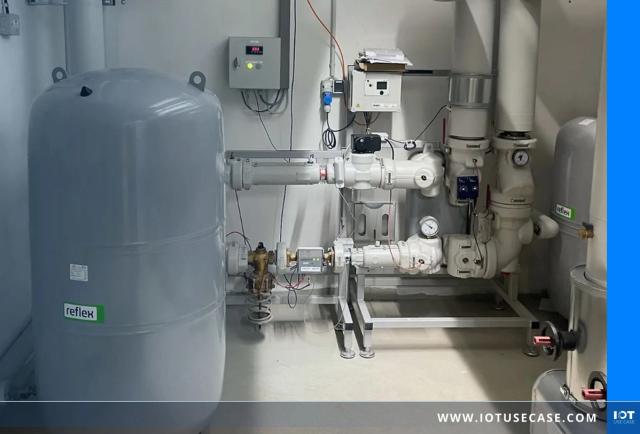



Retrofitting heat meters with NB-IoT for remote reading
Elvaco retrofits existing heat meters with plug-in NB-IoT modules and Telekom SIM cards. The meters send their data to the cloud automatically: utilities can bill monthly, as district heating regulations require by the end of 2026, and detect leaks early.
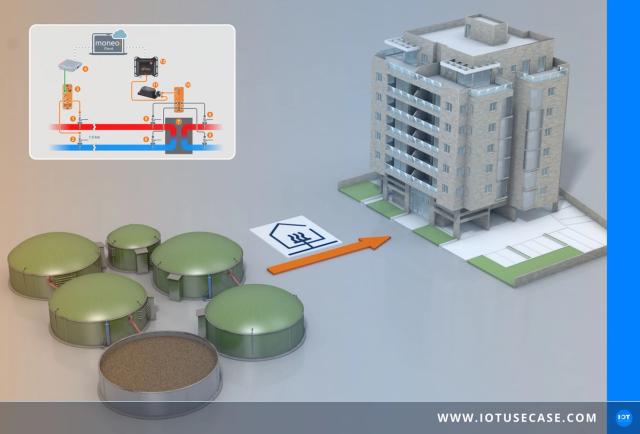


Remote heating network monitoring via mobile IoT gateway
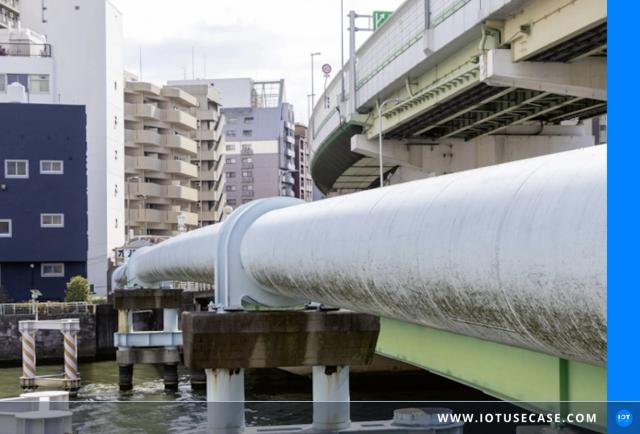



Maintain district heating networks via IIoT pressure monitoring
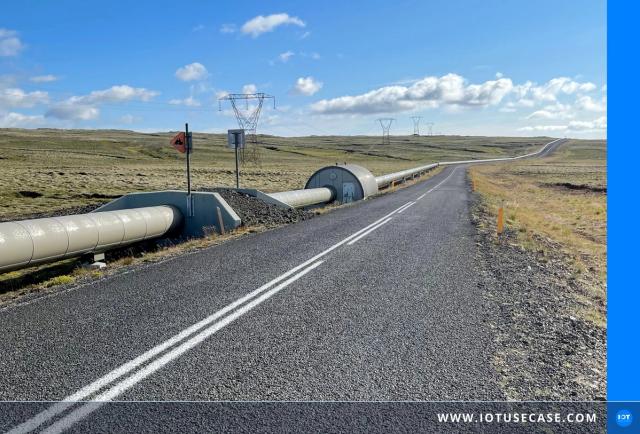

Remote Pressure Monitoring in Geothermal Infrastructure




Energy monitoring as a digital service for municipal utilities
Remote monitoring of district heating networks
The solution examples rely on battery-powered pressure sensors that send their values via LoRaWAN or mioty to a cloud platform, so individual measuring points no longer need cabling. WIKA supplies the whole chain from measured value to platform, where technicians set limit values within seconds. Annular space pressure in steel jacket pipes is particularly important: if air enters the insulating vacuum, the insulation effect can drop to a tenth. Flow and return temperatures are recorded by a cellular gateway such as the ifm io-key and analysed in the moneo platform. Municipal utilities bring together the meter data of their network in IoT platforms such as ThingsBoard.
The examples come from energy supply and municipal operators. Icelandic network operator Veitur Utilities works with Rafal and the akenza platform to monitor pressure in its geothermal heat distribution via LoRaWAN and needs to visit remote sites less often. The network company of Stadtwerke Krefeld monitors its district heating network with 1,500 meters on ThingsBoard. In Mochenwangen, the Kögelhof biogas farm supplies heat to a school via a 1.5-kilometre pipe and monitors temperatures at the feed-in point and the school via the cellular network.
Podcast episodes featuring District heating network
District heating network monitoring: frequently asked questions
How can a district heating network be monitored remotely?
A district heating network can be monitored with battery-powered sensors that record pressure and temperature at the measuring points and send them by radio to a platform. With LoRaWAN or mioty, measuring points no longer need individual cabling. On the platform, network operators see all measuring points, set limit values and receive alarms when values deviate. Until now, every single pressure reading required a technician to climb into a shaft, secured by a second employee.
Why is pressure so important in a district heating network?
Pressure drops indicate damage and losses in the network and therefore need to be detected quickly. A single manual reading, however, does not show whether pressure has dropped suddenly or over a longer period. With steel jacket pipes, annular space pressure also matters: a vacuum between the carrier pipe and the jacket pipe provides insulation. If air enters, the insulation effect can drop to a tenth, and heat losses and costs rise.
What do flow and return temperatures reveal about a district heating pipe?
Flow and return temperatures show how much heat is lost along the pipe and whether supply reaches its destination. The Kögelhof biogas farm measures temperatures both at the feed-in point on the farm and at the school in Mochenwangen, which is supplied via a 1.5-kilometre pipe. The ifm io-key sends the values via the cellular network to the moneo platform, so temperature fluctuations are noticed before the classroom gets cold.
Can the meters of a district heating network be analysed centrally?
Yes, meter data from a district heating network can be brought together and analysed centrally in an IoT platform. The network company of Stadtwerke Krefeld monitors its district heating network with 1,500 meters on ThingsBoard. On the same platform, the utility offers energy monitoring to its business customers and measures groundwater levels. Network monitoring and energy management thus run in one system rather than in separate applications.
More assets in “Components & Devices”

Filter
Filter monitoring with IoT measures the differential pressure across a filter and shows how dirty it is. Operators change filters when it is actually necessary, avoid clogged filters and downtime, and save energy and material.

Energy chain
An energy chain with IoT sensors continuously reports the condition of the cable management on moving machinery. Operators learn about overload, blockages or chain breakage before the machine stops, and plan chain replacement according to actual use.

Lighting
Commercial lighting control with IoT adjusts the lighting in offices, halls, shops and advertising installations according to occupancy, brightness and schedules, and monitors every luminaire remotely. Operators cut electricity consumption and learn about failures immediately.

Electricity meter
Automatic meter reading means that electricity meter readings reach a platform via radio, cellular network or pulse adapter, with no on-site reading. Operators bill more accurately and see where energy is consumed in a building or in production.

Charging station
Commercial EV charging relies on load management that distributes the available power across all charging stations at a site and monitors them remotely. Operators avoid overloading the grid connection, integrate photovoltaics and storage, and bill sessions automatically.

Piping network
Pipeline monitoring with IoT reports pressure drops, pressure peaks and moisture under insulation in a piping network before they turn into failures. Operators maintain pipes according to their condition and avoid inspection rounds to hard-to-reach measuring points.
IIoT Use Case user group
What no project tells you
What did the project cost? Which sensor didn't survive in the field? How did you get maintenance on board? 300+ industrial users discuss questions like these with each other every month, openly and without vendors in the room.
Frequent topics in these projects, bring your questions:
- Condition Monitoring
- Energy Monitoring
- Corrective maintenance
Online every month
Alternating tech and business focus
Users only
No sales pitches, exchange under NDA
300+ members
OT, IT and IIoT leads from industry
