Crane
Predictive crane maintenance with IoT focuses on the cable carrier, which guides power and data cables to the trolley. Sensors report overload or breakage before the crane comes to a standstill and give maintenance and replacement recommendations.
Crane at a glance
Most frequent in the projects on this page
Industries
Users in these projects


Verified projects featuring Crane
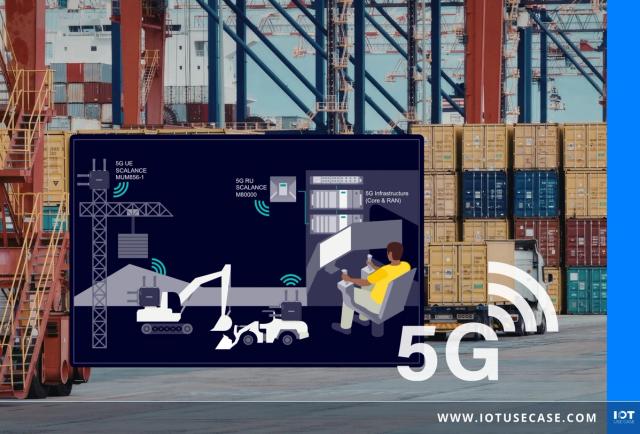






Private 5G brings reliable connectivity to harsh environments
Crane operators work under harsh conditions in ports and steel mills. With Private 5G, Siemens provides a stable, low-latency link for operating cranes remotely.
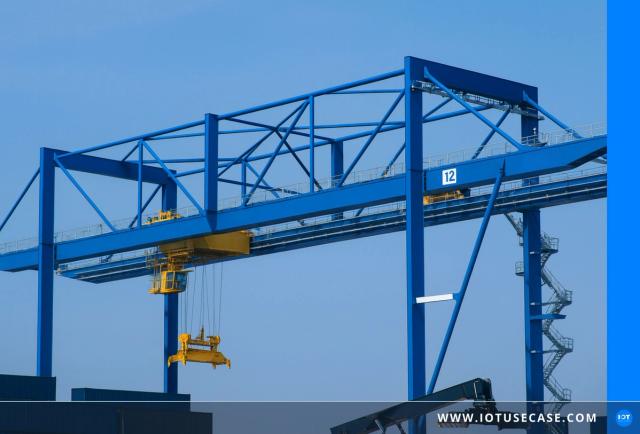


Extending the service life of energy chains in RMG cranes – with condition monitoring and predictive maintenance
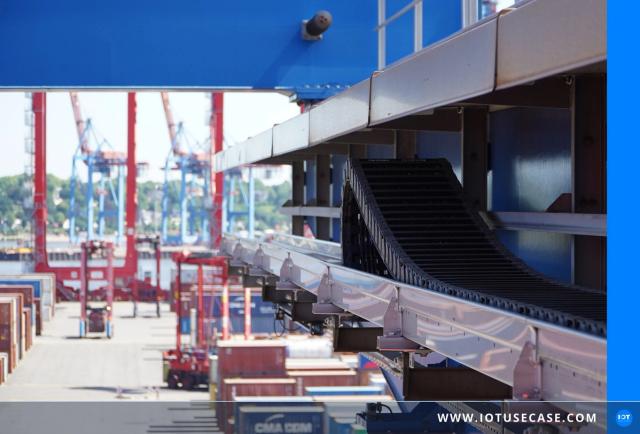

Energy chains ensure continuous operation of container cranes under extreme conditions
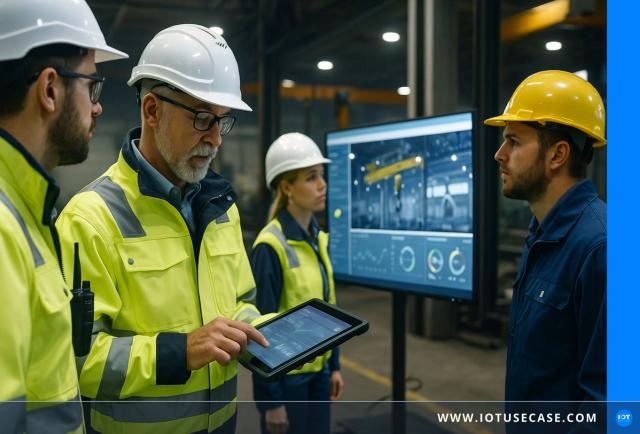


Scalable HSE (Health Safety Environment) – through central IoT monitoring instead of additional personnel
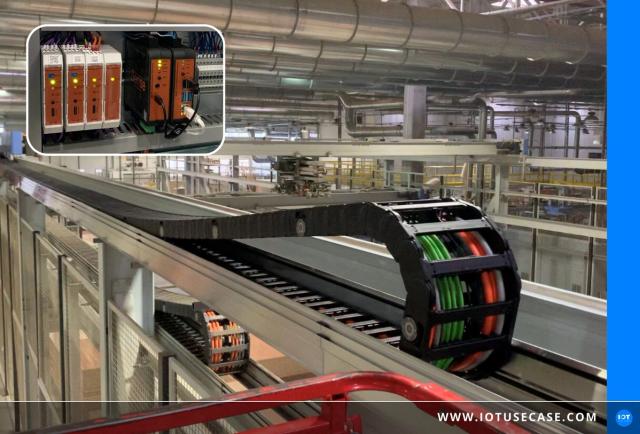

Complete indoor crane automation thanks to the i.Sense monitoring system




Recording of all sensor data on a port data platform in Antwerp
Predictive crane maintenance with sensors on the cable carrier
In the igus solution examples, three measuring systems are built into the energy supply: i.Sense EC.P measures push and pull forces on the chain, i.Sense CF.P the tensile force on the cables, and i.Sense EC.B detects a broken chain link. If a guide trough is bent, a foreign object gets in or the chain is blocked, the crane operator is notified, and the system can stop the crane immediately if required. An additional predictive maintenance system recommends when the chain or cables should be replaced. On construction sites, platforms such as Cumulocity also combine sensor data on the load, angle and vibration of the crane boom and warn when wind, for example, deflects the crane too far.
The examples come mainly from ports and logistics. At the Port of Hamburg, EUROGATE relies on igus cable carrier systems and sensors for its rail loading cranes, which are almost 30 metres high and move containers weighing up to 40 tonnes around the clock. On a rail-mounted gantry crane (RMG) with a travel distance of 113 metres, sensors monitor two cable carriers mounted in opposite directions. Furniture manufacturer Nowy Styl monitors the energy supply of the automatic crane in its panel warehouse in real time, significantly reducing the risk of failure.
Podcast episodes featuring Crane
Condition monitoring in the crane industry: efficient cable routing and less downtime with energy chains
Sensor2Cloud integration – how to save costs in engineering and product development
Industrial Wireless Communication - Real-time communication via 5G with Profinet
Crane maintenance with IoT: frequently asked questions
How does IoT support crane maintenance?
IoT makes crane maintenance predictive: sensors continuously report the condition of wear-prone parts instead of damage only being noticed at the next inspection or during operation. In the solution examples, sensors on the cable carrier measure push and pull forces, the tensile force on the cables and chain breaks. A maintenance system uses this data to recommend when the chain or cables should be replaced, so unplanned stops become less frequent.
Why monitor the cable carrier of a crane?
On the crane bridge, the cable carrier guides the power and data cables of the trolley. If it fails, the entire crane stops. On outdoor cranes in particular, wind, weather and the heavy load of many cables wear the material. Sensors detect a bent guide trough, foreign objects, blockages or a broken chain link and notify the crane operator. If required, the system stops immediately, before more serious damage occurs.
How do port cranes stay available in continuous operation?
Port cranes stay available when wear-prone components are designed to be robust and are continuously monitored. At the Port of Hamburg, EUROGATE operates seven rail loading cranes that move containers of up to 40 tonnes around the clock. For the energy supply of the trolleys, the company relies on durable igus cable carrier systems with sensors. There, the cranes handle trains on eleven tracks of the combined transport rail terminal.
Can an automated overhead crane be monitored with IoT?
Yes, monitoring the energy supply is especially important for fully automated overhead cranes without an operator. Furniture manufacturer Nowy Styl runs an automated warehouse for wooden panels in Poland, where a crane travels more than 60 metres. A push-pull force sensor from igus monitors the cable carrier in real time. The result is continuous control over the condition of the energy supply and a significantly lower risk of failure.
More assets in “Conveying and Handling Technology”

Automated guided vehicle (AGV)
An AGV system brings material automatically from the warehouse to the line when a central fleet controller coordinates the automated guided vehicles (AGV). With IoT, sensors trigger transport orders and vehicles from different manufacturers run in one system.

Industrial robot
Predictive robot maintenance with IoT brings the condition and performance data of industrial robots together on one platform. Operators detect faults and wear before a robot comes to a standstill, and manufacturers identify maintenance cases remotely.

Conveyor belt
Conveyor belt maintenance with IoT relies on sensors that capture vibration, temperature and the condition of the belt and belt cleaners. Operators detect damage such as a torn belt early, plan maintenance as needed and avoid costly line stoppages.
Forklift truck
Forklift tracking with IoT shows where every forklift truck is, which pallet it carries and where that pallet belongs. RFID, UWB and cameras replace manual scanning and document putaway, retrieval and loading automatically.

High-bay warehouse
In a high-bay warehouse, IoT links storage locations, forklifts and warehouse management through real-time data. Staff see on large screens which orders are due next, and pallets are put away and retrieved without manual scanning.

Welding robot
A connected industrial welding robot delivers cycle times, piece counts and status messages in real time. Operators make downtime visible, balance the utilisation of their robot lines and integrate the robots into end-to-end order control.
IIoT Use Case user group
What no project tells you
What did the project cost? Which sensor didn't survive in the field? How did you get maintenance on board? 300+ industrial users discuss questions like these with each other every month, openly and without vendors in the room.
Frequent topics in these projects, bring your questions:
- Condition Monitoring
- Employee Safety
- Predictive Maintenance
Online every month
Alternating tech and business focus
Users only
No sales pitches, exchange under NDA
300+ members
OT, IT and IIoT leads from industry