

Well system
Utility well level monitoring with IoT transmits water levels in a utility's well systems live. Battery-powered data loggers report level and flow over the cellular network, so anomalies are spotted without technicians visiting every site.
Well system at a glance
Most frequent in the projects on this page
Industries
Technologies
Verified projects featuring Well system
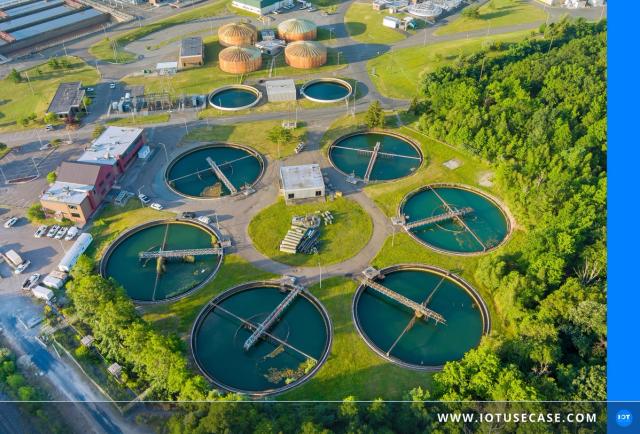





Utility well level monitoring: live data, fewer site visits
In the solution example, the PSsystec SMARTsensor is used in two versions: battery-powered for autonomous monitoring in well systems and as a 230-volt variant for the pumping stations. The plug-and-play devices continuously measure levels and flow and transmit via NB-IoT or LTE-M without any dedicated IT infrastructure. Data from pressure sensors, pumping stations and water meters is sent encrypted via Deutsche Telekom's Cloud of Things into the FlowChief software. There, leaks, illegal discharges or unusual flow rates are detected automatically. SCADA systems can be connected through the open REST API.
The example comes from energy and environment. A municipal water utility supplies around 100,000 people and operates a pipe network of more than 1,900 km across an area of 2,300 km². Its previous setup of VPN and 2G data loggers was not future-proof because of the network shutdown, and manual inspections were time-consuming and error-prone. 250 SMARTsensor data loggers were installed in the wastewater system without interrupting operations. According to PSsystec, operating costs fell by 30%, and live transmission of readings and alarms shortens downtime.
Utility well level monitoring: frequently asked questions
How can a well system without a power supply be monitored?
With a battery-powered data logger that measures autonomously and transmits over the cellular network. The water utility in the example uses the battery-powered version of the PSsystec SMARTsensor in its well systems and the 230-volt variant at its pumping stations. The devices transmit via NB-IoT or LTE-M, which according to the provider offers good building penetration. No dedicated on-site IT infrastructure is required.
Which values does monitoring of wells and the network provide?
The sensors continuously measure levels and flow, complemented by pressure sensors and water meters in the distribution network. The FlowChief software uses this data to calculate average, maximum and night-time flow. Meter readings and flow meters are read remotely according to the network zoning. Unusual consumption patterns and the consumption of large users become visible.
How does IoT reduce the effort of inspecting well systems?
Instead of inspecting every site manually, technicians see the readings live and only go out when needed. At the water utility in the example, more than 100 technicians and staff looked after an extensive network, and manual inspections were time-consuming and error-prone. Live transmission of readings and alarms shortens downtime. According to PSsystec, operating costs fell by 30%.
Why do water utilities need to replace data loggers at wells and pumping stations?
Many existing data loggers still transmit over 2G, and the upcoming shutdown of this network forces a change. The water utility in the example worked with VPN and 2G data loggers, a setup that was inefficient and not future-proof. It switched to the SMARTsensor with NB-IoT. The plug-and-play devices could be installed at each site in a short time.
More assets in “Machinery and Equipment”
Pump
Pump monitoring with IoT records vibration, temperature, pressure and energy consumption of running pumps. Operators detect damage and faults before a pump fails and plan maintenance by condition rather than at fixed intervals.

Compressor
With IoT, compressor maintenance follows actual condition: sensors record current consumption, pressure, temperature and running times. Operators detect creeping damage and unused running time early and cut energy and service costs.

Electric motor
Motor condition monitoring with IoT continuously measures the vibration, temperature and current draw of electric motors. Operators detect imbalance, bearing damage or winding faults early and replace motors based on condition rather than after a failure.

Packaging machine
OEE software automatically records run times, downtime, speed and rejects on packaging machines from the machine signals. Operators see where their lines lose performance, and machine builders use the same data for remote access and digital services.

Refrigeration system
A refrigeration monitoring system makes service plannable: temperatures, refrigerant circuit pressures, compressor status and energy consumption flow into a platform in real time. Operators and service partners detect faults early, avoid unnecessary site visits and reduce excess consumption.

Air conditioning system
Commercial air conditioning systems in offices, retail branches and data centres can be monitored remotely with IoT. Operators see energy consumption, temperatures and faults in one place, detect failing compressors or refrigerant shortages early and plan service visits precisely.
IIoT Use Case user group
What no project tells you
What did the project cost? Which sensor didn't survive in the field? How did you get maintenance on board? 300+ industrial users discuss questions like these with each other every month, openly and without vendors in the room.
Frequent topics in these projects, bring your questions:
- Condition Monitoring
- Corrective maintenance
- Energy Monitoring
Online every month
Alternating tech and business focus
Users only
No sales pitches, exchange under NDA
300+ members
OT, IT and IIoT leads from industry
