Switchgear
Gas insulated switchgear can be monitored continuously for gas density and moisture via IoT. Operators detect leaks and contamination of the insulating gas early and carry out maintenance only when it is genuinely needed.
Switchgear at a glance
Most frequent in the projects on this page
Industries
Technologies
Verified projects featuring Switchgear
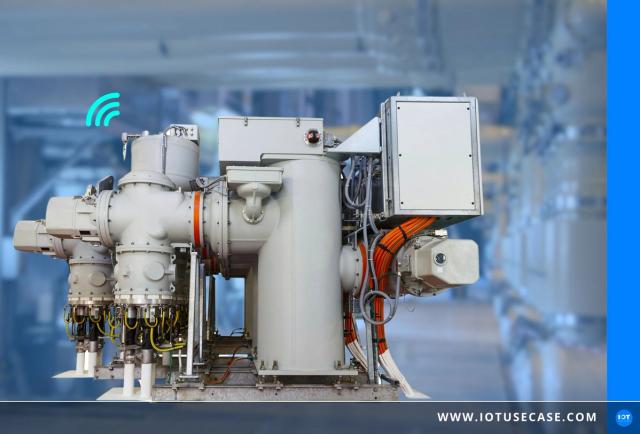




Gas insulated switchgear: IoT monitoring of gas density and moisture
In the solution example, WIKA equips the installations with sensors for gas density and moisture measurement. For indoor installations, the sensors connect via cable and an edge gateway to the cloud or a local server. On large outdoor installations, battery-powered sensors transmit their readings via LoRaWAN to a gateway, since data volume and transmission frequency are not critical for this task. In the cloud, algorithms process the data and present it on a dashboard for fixed and mobile devices. Customer- and installation-specific limits trigger alarms, for example for excessive moisture, sharp temperature fluctuations or a sudden drop in gas pressure. An API allows the data to be transferred into the customer's own platforms.
The example comes from energy and environment and covers leak detection and moisture measurement in condition monitoring. Gas insulated switchgear is found mainly in medium- and high-voltage systems and is filled with sulphur hexafluoride (SF₆), a highly climate-damaging gas that has to be pumped out and captured during maintenance. WIKA offers operators a complete solution of measurement technology, monitoring and forecasting software, and service. From historical data, the software defines an expected range and warns before a limit is reached. In podcast episode #126, Philipp Lausberger of WIKA discusses this use case and plant safety.
Podcast episodes featuring Switchgear
Gas insulated switchgear: frequently asked questions
Can medium voltage switchgear be monitored retrospectively?
Yes, the installations can be retrofitted with gas density and moisture sensors. Gas insulated switchgear is mainly found in medium- and high-voltage systems. WIKA fits the appropriate measurement technology and connects the sensors to the cloud either by cable and edge gateway or via LoRaWAN, depending on the site. Monitoring is particularly important in the second half of an installation's service life.
Why is humidity monitored in switchgear as well as gas density?
Humidity measurement reveals contamination of the insulating gas, while gas density measurement reveals leaks. Both impair the installation's ability to function. WIKA therefore combines both sensors. In the platform, installation-specific limits can be set that trigger an alarm in the event of excessive moisture, sharp temperature fluctuations or a sudden drop in gas pressure, so maintenance can respond in a targeted way.
How does switchgear monitoring spot a leak before a limit is reached?
The software derives an expected future range from historical measurement data. If the trend deviates from it, the system sends a warning before the actual limit is reached. This is how WIKA describes the forecasting in its platform. Operators gain time for planning instead of only reacting to an alarm. The data can also be transferred into their own systems via an API.
How does monitoring change switchgear maintenance?
With continuous monitoring, maintenance is carried out only when the data calls for it. Maintenance is laborious because the insulating gas has to be pumped out and captured. According to WIKA, condition monitoring and automated documentation of readings reduce the need for inspections by technicians. The forecasting algorithms identify potential problems early, which improves safety and reduces downtime.
More assets in “Machinery and Equipment”

Pump
Pump monitoring with IoT records vibration, temperature, pressure and energy consumption of running pumps. Operators detect damage and faults before a pump fails and plan maintenance by condition rather than at fixed intervals.

Compressor
With IoT, compressor maintenance follows actual condition: sensors record current consumption, pressure, temperature and running times. Operators detect creeping damage and unused running time early and cut energy and service costs.

Electric motor
Motor condition monitoring with IoT continuously measures the vibration, temperature and current draw of electric motors. Operators detect imbalance, bearing damage or winding faults early and replace motors based on condition rather than after a failure.

Packaging machine
OEE software automatically records run times, downtime, speed and rejects on packaging machines from the machine signals. Operators see where their lines lose performance, and machine builders use the same data for remote access and digital services.

Refrigeration system
A refrigeration monitoring system makes service plannable: temperatures, refrigerant circuit pressures, compressor status and energy consumption flow into a platform in real time. Operators and service partners detect faults early, avoid unnecessary site visits and reduce excess consumption.

Air conditioning system
Commercial air conditioning systems in offices, retail branches and data centres can be monitored remotely with IoT. Operators see energy consumption, temperatures and faults in one place, detect failing compressors or refrigerant shortages early and plan service visits precisely.
IIoT Use Case user group
What no project tells you
What did the project cost? Which sensor didn't survive in the field? How did you get maintenance on board? 300+ industrial users discuss questions like these with each other every month, openly and without vendors in the room.
Frequent topics in these projects, bring your questions:
- Condition Monitoring
- Corrective maintenance
- Predictive Maintenance
Online every month
Alternating tech and business focus
Users only
No sales pitches, exchange under NDA
300+ members
OT, IT and IIoT leads from industry