Production line
Manufacturing analytics on the production line collects setpoints and actual values, cycle times and machine states directly from the controllers. Operators use it to find the causes of scrap and faults, compare lines with each other and shorten commissioning.
Production line at a glance
Most frequent in the projects on this page
Use cases
Industries
Users in these projects


Verified projects featuring Production line
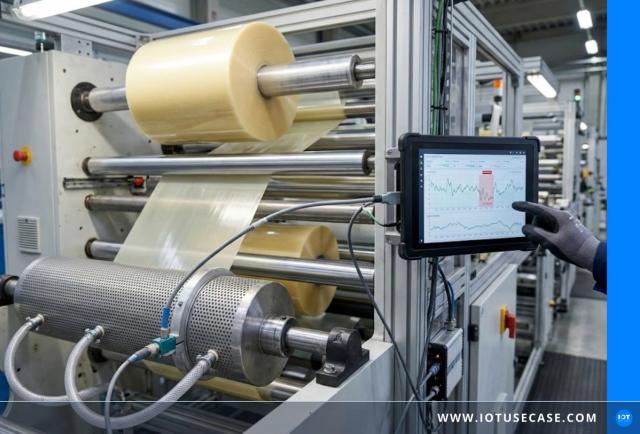





Reducing complaints in adhesive tape production through process data analysis



Smart supply chain: development of the batch size 1 production line
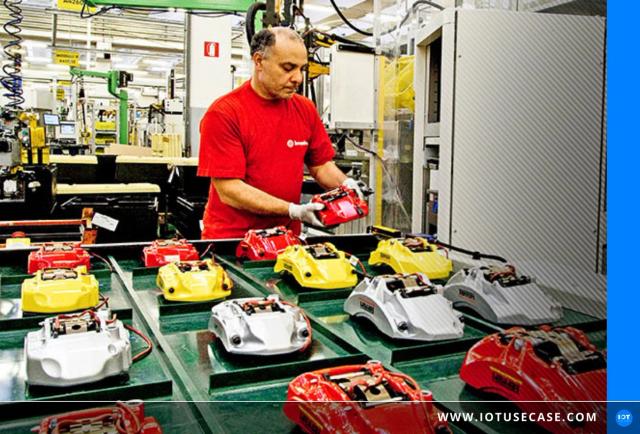



Brembo drives digital transformation with innovative IoT use cases




CC-Link IE TSN brings movement to the battery industry of tomorrow
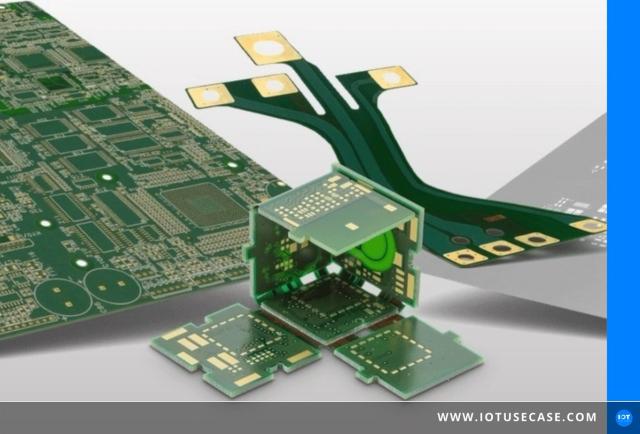



Placed on a solid MES footing – more efficient PCB production thanks to a solid database




Digital strategy for the most sustainable food packaging in the world
Manufacturing analytics on the production line: finding root causes
In the solution examples, connectors such as PTC's Kepware server or the Data Collector from iT Engineering Software Innovations pull data from older equipment and PLCs from different manufacturers, supplemented by sensors and cameras. Edge servers process and filter readings that arrive just milliseconds apart on site before dashboards display them. The machines are networked via OPC UA, at Busch-Jaeger with its own information model, or via CC-Link IE TSN. The data is analysed in platforms such as ENLYZE, ThingWorx, ABB zenon and Microsoft Azure, or in an MES such as FabEagle from Kontron AIS.
The examples come from the automotive, electronics and consumer goods industries and from mechanical engineering, mostly for scrap reduction and for recording cycle times and throughput. An adhesive tape manufacturer in North Rhine-Westphalia used ENLYZE to discover excessive slip between the rollers and cut scrap for one product group by 30%. Brembo has expanded its connected lines with Kepware and ThingWorx from three to 75, and a troubleshooting scenario now takes three to four hours instead of almost three days. Würth Elektronik controls its printed circuit board production with FabEagle MES and provides quality data to end customers.
Podcast episodes featuring Production line
Manufacturing analytics on the production line: frequently asked questions
How does process data analysis find the cause of scrap?
It reveals deviations in hundreds of measured variables that a PLC operator terminal cannot display at the same time. An adhesive tape manufacturer repeatedly had partly rewound rolls. ENLYZE showed a difference of around 20% between the speeds of the laminating station and the pulling station. The cause was excessive slip at the master roller. Since vacuum technology was installed there, the fault has not recurred, and material savings alone amount to around EUR 11,000 a year.
What does an MES system add to a production line?
An MES combines order, machine status, alarm and process data in one database and makes it usable for control, analysis and quality records. Würth Elektronik introduced FabEagle MES from Kontron AIS in its printed circuit board production, starting with a pilot on the solder resist line. A circuit board passes through around 30 production steps, and customers increasingly ask for production data as well. With data available quickly, information flow and fault analysis speed up and downtime becomes shorter.
How does real-time data speed up root cause analysis in manufacturing?
Real-time data shortens troubleshooting because nobody has to gather data from individual machines. At Brembo, data used to be collected on USB sticks and analysed in isolated systems. Today, Kepware collects line data, and ThingWorx compares the cycle times of parallel lines with the plan. A troubleshooting scenario that required almost three days of data analysis now takes three to four hours. According to Brembo, this helped the company save more than 1.5 million dollars by 2020.
How can batch size one be produced on a series production line?
Batch size one works when every station receives its instructions digitally and every workpiece is uniquely identified. For Busch-Jaeger's individually configurable Busch-tacteo KNX sensor, neogramm implemented a production line whose machines communicate via OPC UA. The ABB zenon operational data management solution links automated work steps with camera inspections. In 2020, the solution received the Industrie 4.0 Award in the "Smart Supply Chain" category.
More assets in “Machinery and Equipment”

Pump
Pump monitoring with IoT records vibration, temperature, pressure and energy consumption of running pumps. Operators detect damage and faults before a pump fails and plan maintenance by condition rather than at fixed intervals.

Compressor
With IoT, compressor maintenance follows actual condition: sensors record current consumption, pressure, temperature and running times. Operators detect creeping damage and unused running time early and cut energy and service costs.

Electric motor
Motor condition monitoring with IoT continuously measures the vibration, temperature and current draw of electric motors. Operators detect imbalance, bearing damage or winding faults early and replace motors based on condition rather than after a failure.

Packaging machine
OEE software automatically records run times, downtime, speed and rejects on packaging machines from the machine signals. Operators see where their lines lose performance, and machine builders use the same data for remote access and digital services.

Refrigeration system
A refrigeration monitoring system makes service plannable: temperatures, refrigerant circuit pressures, compressor status and energy consumption flow into a platform in real time. Operators and service partners detect faults early, avoid unnecessary site visits and reduce excess consumption.

Air conditioning system
Commercial air conditioning systems in offices, retail branches and data centres can be monitored remotely with IoT. Operators see energy consumption, temperatures and faults in one place, detect failing compressors or refrigerant shortages early and plan service visits precisely.
IIoT Use Case user group
What no project tells you
What did the project cost? Which sensor didn't survive in the field? How did you get maintenance on board? 300+ industrial users discuss questions like these with each other every month, openly and without vendors in the room.
Frequent topics in these projects, bring your questions:
- Condition Monitoring
- Digital Documentation
- Quality Management
Online every month
Alternating tech and business focus
Users only
No sales pitches, exchange under NDA
300+ members
OT, IT and IIoT leads from industry