Photovoltaic system
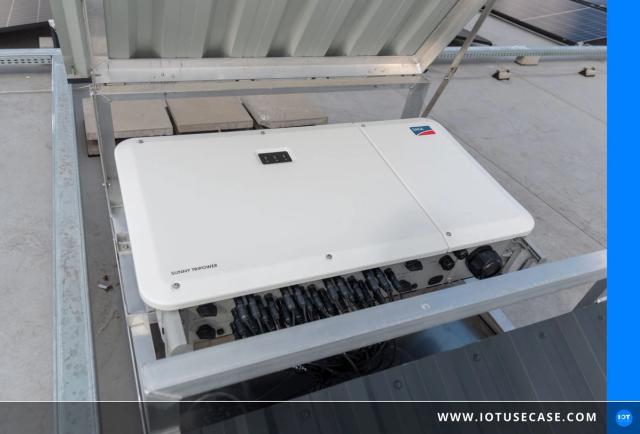
Commercial solar monitoring based on IoT records generation, feed-in and self-consumption of a photovoltaic system. Operators control the system according to grid operator requirements, spot deviations early and manage it remotely.
Photovoltaic system at a glance
Most frequent in the projects on this page
Industries
Users in these projects


Verified projects featuring Photovoltaic system
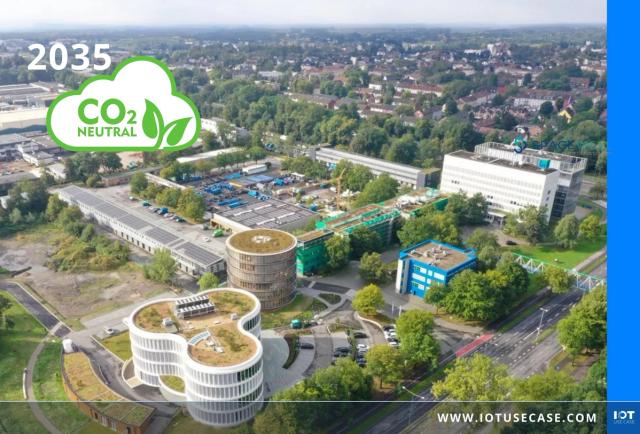




Detecting energy anomalies in buildings with AI to cut consumption
Gelsenwasser captures electricity, gas and water use in its own buildings automatically. The AI tools Optimise and Detect flag anomalies and show where energy can be saved.
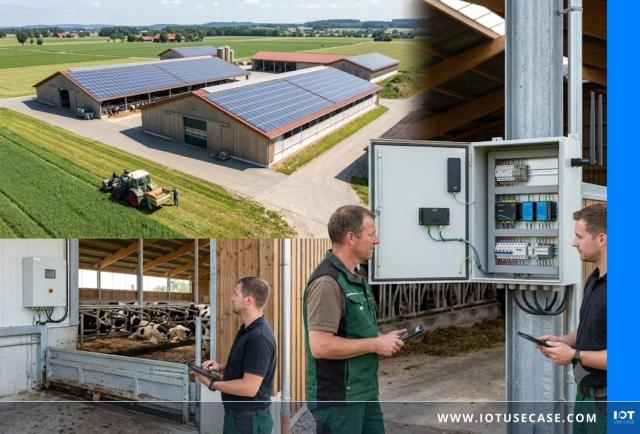


Remote access to control systems: from on-premise VPN to cloud platform
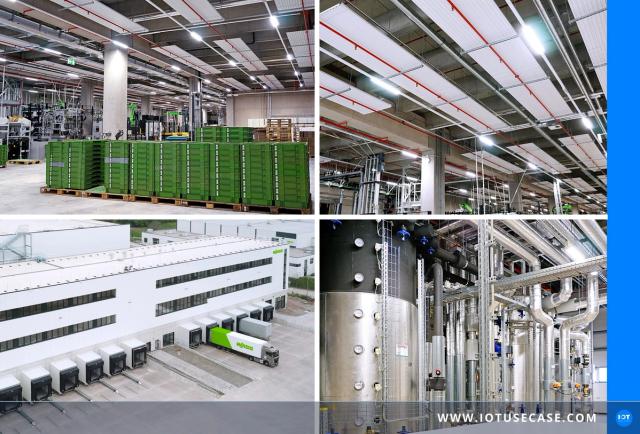


Goodbye Chimney – Fossil-free logistics centre with IoT-based energy management
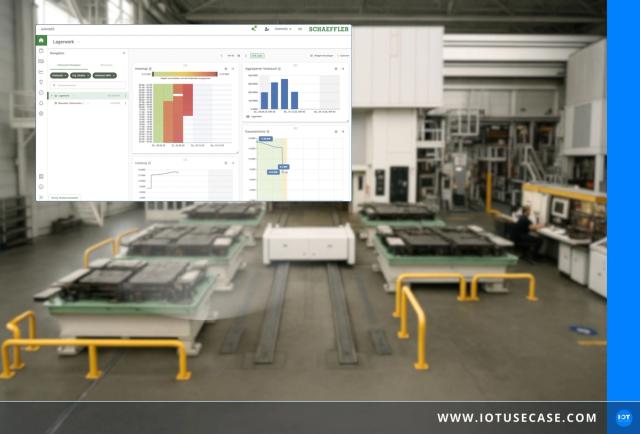




IoT energy monitoring: transparent consumption data for measurable savings

Charging and energy management: intelligent load distribution for a stable power supply

Advancing photovoltaic expansion together
Commercial solar monitoring: yield, feed-in and remote access
In the solution examples, the technology usually sits in a control cabinet at the building. A device such as meteocontrol’s blue’Log XC controls the system and exchanges process data with the grid operator in real time via Modbus TCP, while industrial routers from INSYS icom or the IXON IXrouter provide a secure VPN connection. Energy management software such as autinityE3 from Schaeffler Digital Solutions or Energy from CREM SOLUTIONS integrates the PV system as a feed-in source and shows energy produced, surpluses, self-consumption and the degree of self-sufficiency. The Mobility House’s ChargePilot charging and energy management system also factors photovoltaics into the control of its charging points.
The examples come from retail, logistics, energy supply and agriculture, typically for PV yield control, self-consumption optimisation and energy management. For the REWE Group, EHA operates a 1,377 kWp system at the Henstedt-Ulzburg logistics site, where a zero feed-in solution ensures that all electricity is used on site. WAGO supplies its logistics centre in Sondershausen mainly from a photovoltaic system of around 650 kWp and coordinates it with heat pumps and charging infrastructure. HÖRMANN now commissions the IXrouters in its PV projects in five minutes using a USB stick, whereas VPN configuration used to take around 30 minutes.
Podcast episodes featuring Photovoltaic system
Solar monitoring systems: frequently asked questions
How does commercial solar monitoring work?
In commercial solar monitoring, a device on site continuously records the output, generation and feed-in of the system and transmits the data to the operator via a secure router. This makes yields, self-consumption and faults visible. At EHA, meteocontrol’s blue’Log XC performs this task for the REWE Group’s solar systems. Industrial routers from INSYS icom provide networking with remote access and are managed centrally, including firmware updates.
How does export limiting work for a commercial PV system?
With export limiting, a controller regulates the PV system so that only the permitted output flows into the public grid, or none at all, with the energy then used on site. At REWE’s logistics site in Henstedt-Ulzburg, this is handled by a zero feed-in solution based on meteocontrol’s blue’Log XC. It exchanges process data with the grid operator in real time via an open Modbus TCP interface. Grid connection rules are implemented through parameter settings, without any programming.
What does a power plant controller do in a PV system?
A power plant controller implements the grid operator’s requirements at the grid connection point of a generating plant, for example for the power fed in. To do so, it needs a reliable data connection. HÖRMANN lists this control alongside direct marketing and connection to virtual power plants as requirements for which the IXON platform provides the framework in its PV projects. The IXrouter sits in the PV communication cabinets and gives technicians secure remote access.
How does a business measure the self-consumption rate of its PV system?
Measuring the self-consumption rate requires generation, feed-in and consumption to be recorded together, because it shows the share of self-generated electricity used on site. Schaeffler Digital Solutions integrates existing photovoltaic systems as a feed-in source into its autinityE3 energy monitoring software. The dashboard shows output charts, energy produced, energy surpluses, self-consumption and feed-in, and also evaluates the degree of self-sufficiency as a KPI.
More assets in “Machinery and Equipment”

Pump
Pump monitoring with IoT records vibration, temperature, pressure and energy consumption of running pumps. Operators detect damage and faults before a pump fails and plan maintenance by condition rather than at fixed intervals.

Compressor
With IoT, compressor maintenance follows actual condition: sensors record current consumption, pressure, temperature and running times. Operators detect creeping damage and unused running time early and cut energy and service costs.

Electric motor
Motor condition monitoring with IoT continuously measures the vibration, temperature and current draw of electric motors. Operators detect imbalance, bearing damage or winding faults early and replace motors based on condition rather than after a failure.

Packaging machine
OEE software automatically records run times, downtime, speed and rejects on packaging machines from the machine signals. Operators see where their lines lose performance, and machine builders use the same data for remote access and digital services.

Refrigeration system
A refrigeration monitoring system makes service plannable: temperatures, refrigerant circuit pressures, compressor status and energy consumption flow into a platform in real time. Operators and service partners detect faults early, avoid unnecessary site visits and reduce excess consumption.

Air conditioning system
Commercial air conditioning systems in offices, retail branches and data centres can be monitored remotely with IoT. Operators see energy consumption, temperatures and faults in one place, detect failing compressors or refrigerant shortages early and plan service visits precisely.
IIoT Use Case user group
What no project tells you
What did the project cost? Which sensor didn't survive in the field? How did you get maintenance on board? 300+ industrial users discuss questions like these with each other every month, openly and without vendors in the room.
Frequent topics in these projects, bring your questions:
- Energy Monitoring
- Sustainability (ESG)
- Condition Monitoring
Online every month
Alternating tech and business focus
Users only
No sales pitches, exchange under NDA
300+ members
OT, IT and IIoT leads from industry