Outer carton
Shipping carton optimisation determines which outer carton is chosen for each delivery and which items go into it. Fewer, better-filled packaging units reduce packaging, filling material and transport costs for the shipper.
Outer carton at a glance
Most frequent in the projects on this page
Use cases
Industries
Users in these projects

Verified projects featuring Outer carton
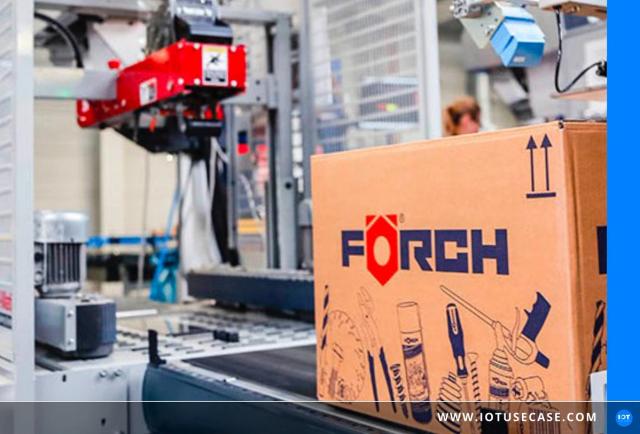



Shipping carton optimisation with AI
In the solution example, AIM - Agile IT Management examines whether machine learning can improve an existing packing optimisation. It is based on the AIM.packing solution, which connects to the SAP S/4HANA ERP system. It selects as few packaging units as possible for each delivery and assigns as many items as possible to them so that space is used well. It takes into account maximum weights per packaging unit, fragile items, hazardous goods and specified orientations. The optimisation goal is defined in four hierarchical levels. Statistical distributions of order structures, optimisation performance and run times were evaluated against the existing solution.
The user is FÖRCH, a wholesale supplier of products for trade and industry. FÖRCH has optimised its packaging with software for almost 20 years. When S/4HANA was introduced in 2022, the established solution was put to the test, partly because very large orders exceeded the one-second time limit for optimisation. In a three-month proof of value, benchmarks based on real order data showed that AIM.packing can save up to 3.5% of packaging. FÖRCH names lorry load space optimisation and optimising the packaging units themselves as possible next steps.
Shipping carton optimisation: frequently asked questions
What does packing optimisation for outer cartons take into account?
Besides volume, packing optimisation takes into account the weight, fragility and hazardous nature of items. In the FÖRCH and AIM example, this includes maximum weights per packaging unit, fragile items, hazardous goods and specified orientations. The software selects as few packaging units as possible and fills them as well as possible. The optimisation goal is structured in four hierarchical levels.
How does carton size optimisation reduce costs?
Software reduces packaging costs by selecting fewer, better-filled cartons for each delivery. At FÖRCH, benchmarks based on real order data showed that AIM.packing can save up to 3.5% of packaging. Less packaging also means less filling material, lower transport costs and less disposal effort for the customer. This was determined in a three-month proof of value.
How does a carton selection project run?
Such a project starts by analysing existing order and process data. At FÖRCH, AIM used a standardised approach with checklists and data analysis tools. The 'glass ceiling', an estimate of the optimisation potential based on order structures, was determined early on. The project ended with a clean measurement against the existing solution. The preliminary project took three months.
Why is classic carton fill rate optimisation often no longer enough?
Classic methods reach their time limits with large orders. At FÖRCH, very large orders exceeded the one-second limit because of the complexity of the optimisation. When SAP S/4HANA was introduced in 2022, FÖRCH therefore had it checked whether machine learning could improve the results. AIM evaluated the data and optimisation potential and laid the groundwork for AIM.packing.
More assets in “Containers, Silos and Tanks”

Transport container
Shipment monitoring with IoT reports where a transport container is and whether anyone opens it without authorisation. For valuable or sensitive goods, the system raises an alarm immediately instead of a theft only being noticed by the recipient.

Load carrier
An RTLS locates load carriers such as mesh boxes, pallets and bins across halls and plants in real time. Companies cut search times, replace accompanying paperwork and manual scanning, and trigger bookings and transports automatically.

Pallet
Pallet tracking with IoT shows where every pallet is, what is on it and how much stock remains. Sensors, RFID and wireless networks replace search trips, manual scanning and stocktaking counts with a forklift.

Process vessel
Process monitoring with IoT continuously records level, temperature, humidity and other parameters in a process vessel. Without inspection rounds, operators know when to refill or empty it and whether the contents are still usable.

Collection container
Waste container monitoring connects collection containers and waste locks so that they report fill levels and emptying events in real time. Operators see which containers are full, plan collections accordingly and bill by actual use.
Container
Container tracking software with IoT shows where a container is and its status, whether an air freight container, a container in a construction fleet or a unit shipped worldwide. Companies save search time and plan storage more precisely.
IIoT Use Case user group
What no project tells you
What did the project cost? Which sensor didn't survive in the field? How did you get maintenance on board? 300+ industrial users discuss questions like these with each other every month, openly and without vendors in the room.
Frequent topics in these projects, bring your questions:
- Sustainability (ESG)
Online every month
Alternating tech and business focus
Users only
No sales pitches, exchange under NDA
300+ members
OT, IT and IIoT leads from industry