

Collection container
Waste container monitoring connects collection containers and waste locks so that they report fill levels and emptying events in real time. Operators see which containers are full, plan collections accordingly and bill by actual use.
Collection container at a glance
Most frequent in the projects on this page
Use cases
Industries
Technologies
Users in these projects


Verified projects featuring Collection container
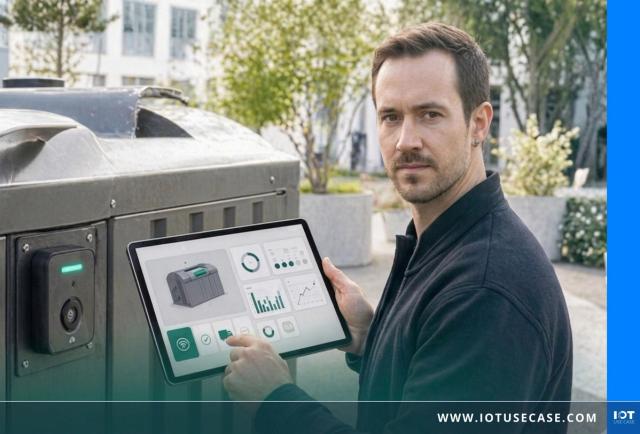



Usage-based billing with digital twins — demonstrated in waste management
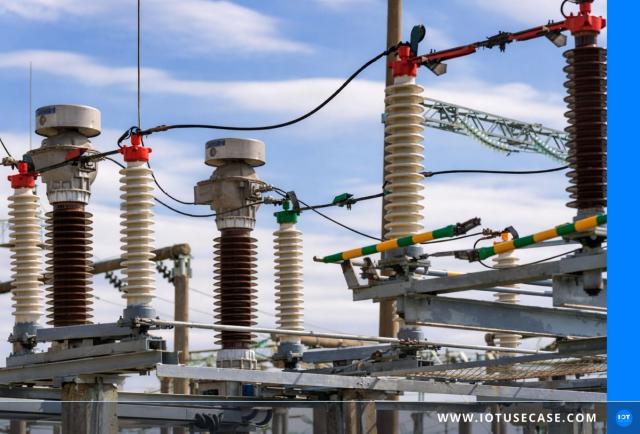





Energy monitoring as a digital service for municipal utilities






Together for the waste management of the future
Waste container monitoring for collection containers
For a municipal waste management company, doubleSlash maps the waste locks as digital twins in ActiveDB (bill-X). Emptying and event data is processed there in real time, and OpenInformer (bill-X) generates billing per unit. c-trace and Smartsquare are building an IoT platform based on the open MQTT protocol, open-source components and cloud services, designed to process at least 5 million vehicle events a day in real time and to feed a data lake. Stadtwerke Krefeld records container fill levels on ThingsBoard, and the city analyses them in its own user area.
The examples come from energy and environment and the public sector. The waste company, active in more than 230 cities, now bills on a pay-per-use basis and can view usage, utilisation and deviations of its roughly 250 connected sensors at any time. In Krefeld, the city uses the offering from Stadtwerke Krefeld, implemented with it-novum, to measure the fill levels of used clothing and waste paper containers. c-trace from Bielefeld, a specialist in IT for waste logistics, built the prototype with Smartsquare in four weeks and is now connecting new customers and newly developed sensor types.
Waste container monitoring: frequently asked questions
How does waste chute access control work for operators?
A connected waste lock records every emptying event precisely by device and time and sends the data to a platform. doubleSlash maps the locks as digital twins in ActiveDB, where event data is processed in real time. The operator can view usage, utilisation and deviations at any time. The data also forms the basis for billing, monitoring and later services such as predictive maintenance.
How does variable rate waste billing work with waste locks?
The emptying data from each waste lock is linked to customer master data and billing logic, so invoices are generated automatically per unit. For a waste company serving around 700,000 households, doubleSlash connected ActiveDB and OpenInformer from bill-X for this purpose. Pay-per-use billing is fair, transparent and traceable down to the individual unit. Automated processes replace manual steps in billing, operations and customer service.
How can a city measure waste container fill levels?
Sensors on the containers report the fill level to an IoT platform that the city administration can access. In Krefeld, the city measures the fill levels of used clothing and waste paper containers this way, alongside parking and environmental data. The data runs on ThingsBoard, which Stadtwerke Krefeld operates with it-novum. The administration sees the values in its own user area and produces its own analyses there.
How does demand-based waste collection work?
Sensors on the containers report fill level and usage, so collections can be planned according to demand. c-trace brings individual waste containers online alongside its vehicles for this purpose. In data-driven waste management, containers are emptied as needed and routes are optimised for lower emissions, fuel consumption and traffic. The platform is being built with Smartsquare on MQTT and cloud services, and dashboards show the status of individual sensors.
More assets in “Containers, Silos and Tanks”

Transport container
Shipment monitoring with IoT reports where a transport container is and whether anyone opens it without authorisation. For valuable or sensitive goods, the system raises an alarm immediately instead of a theft only being noticed by the recipient.

Load carrier
An RTLS locates load carriers such as mesh boxes, pallets and bins across halls and plants in real time. Companies cut search times, replace accompanying paperwork and manual scanning, and trigger bookings and transports automatically.

Pallet
Pallet tracking with IoT shows where every pallet is, what is on it and how much stock remains. Sensors, RFID and wireless networks replace search trips, manual scanning and stocktaking counts with a forklift.

Process vessel
Process monitoring with IoT continuously records level, temperature, humidity and other parameters in a process vessel. Without inspection rounds, operators know when to refill or empty it and whether the contents are still usable.
Container
Container tracking software with IoT shows where a container is and its status, whether an air freight container, a container in a construction fleet or a unit shipped worldwide. Companies save search time and plan storage more precisely.

Fuel tank
An IoT fuel tank monitoring system reports the level of a plant's diesel tank, emergency fuel reserves or a construction dryer's fuel tank continuously and remotely. Operators plan refills on real values and detect theft or leaks early.
IIoT Use Case user group
What no project tells you
What did the project cost? Which sensor didn't survive in the field? How did you get maintenance on board? 300+ industrial users discuss questions like these with each other every month, openly and without vendors in the room.
Frequent topics in these projects, bring your questions:
- Asset Management
- Condition Monitoring
- Digital Documentation
Online every month
Alternating tech and business focus
Users only
No sales pitches, exchange under NDA
300+ members
OT, IT and IIoT leads from industry
