Kanban bin
Kanban inventory with IoT records the stock in every Kanban bin automatically, by weight, RFID or smart label. Replenishment is triggered as soon as material runs low, without manual counting or walking the warehouse.
Kanban bin at a glance
Most frequent in the projects on this page
Users in these projects

Verified projects featuring Kanban bin






Kanban inventory with IoT: automatic replenishment
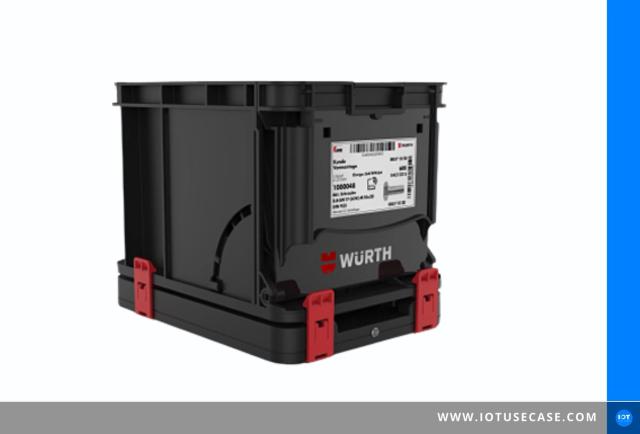
The solution examples take two routes. The iSCALE IoT scale from HK.SYSTEMS holds Kanban bins to the VDA standard and continuously measures the weight of the C-parts inside. An integrated radio module transmits the values in encrypted form via NB-IoT to the merchandise management system, with no Wi-Fi or gateway. According to the provider, the battery lasts up to five years. When the weight falls below a defined value, the system automatically places an order, and RFID chips identify the bins. At Neoception, RFID or barcodes identify the parts bins. Smart labels on the shelf compartments show the material number and name and, at the press of a button, trigger picking, reordering or refilling in the warehouse management system. The Kanban logic runs in the cloud and integrates with ERP systems.
The examples come from retail and wholesale as well as transport and logistics, mostly in inventory management and reordering. Würth Industrie Service, which specialises in the C-parts needs of manufacturers, uses iSCALE, developed by HK.SYSTEMS together with Würth. The scale reports material requirements straight from the point of use to the supplier's ERP system and can be used in the Kanban store, on the line or at assembly stations. In podcast episode #63, Sven Ehrmann of HK.SYSTEMS presents the Würth use case.
Podcast episodes featuring Kanban bin
Kanban inventory with IoT: frequently asked questions
What is e-Kanban?
E-Kanban is the digital form of the Kanban process: sensors, smart labels or RFID report demand instead of staff counting quantities by hand and transferring them from paper into the system. Neoception's solution includes configurable Kanban logic, runs in the cloud, scales and can be maintained centrally. It integrates with leading ERP systems, material postings are automated, and manual stocktaking time is reduced to a minimum.
How does RFID work in a Kanban system?
RFID gives every Kanban bin a unique identity, so stock and movements are automatically assigned to the right bin. At Würth Industrie Service, the bins on the iSCALE scale carry RFID chips so that they can be identified and tracked at any time. Neoception uses RFID or barcodes for its parts bins and combines RFID with optical sensors in the smart labels, for example for pick-to-light processes.
How does pick-to-light support Kanban inventory?
Pick-to-light uses lights to show staff which compartment to take material from, and put-to-light shows where it belongs. In Neoception's solution, both processes can be implemented with optical sensors in the smart labels combined with RFID. The labels on the shelf compartments also display the material number and name, can be changed centrally, and trigger picking, reordering or refilling in the warehouse management system at the press of a button.
How does automated replenishment of Kanban bins work?
Automated replenishment works by placing the Kanban bin on an IoT scale that continuously weighs its contents, in the case of Würth Industrie Service C-parts. If the weight falls below a defined value, a notification, an order and then a delivery are triggered automatically. The data goes straight to the merchandise management system via NB-IoT. Scales are available for bin sizes 3215, 4115 and 4315, and iSCALEpal can also weigh standard Euro pallets.
More assets in “Containers, Silos and Tanks”

Transport container
Shipment monitoring with IoT reports where a transport container is and whether anyone opens it without authorisation. For valuable or sensitive goods, the system raises an alarm immediately instead of a theft only being noticed by the recipient.

Load carrier
An RTLS locates load carriers such as mesh boxes, pallets and bins across halls and plants in real time. Companies cut search times, replace accompanying paperwork and manual scanning, and trigger bookings and transports automatically.

Pallet
Pallet tracking with IoT shows where every pallet is, what is on it and how much stock remains. Sensors, RFID and wireless networks replace search trips, manual scanning and stocktaking counts with a forklift.

Process vessel
Process monitoring with IoT continuously records level, temperature, humidity and other parameters in a process vessel. Without inspection rounds, operators know when to refill or empty it and whether the contents are still usable.

Collection container
Waste container monitoring connects collection containers and waste locks so that they report fill levels and emptying events in real time. Operators see which containers are full, plan collections accordingly and bill by actual use.
Container
Container tracking software with IoT shows where a container is and its status, whether an air freight container, a container in a construction fleet or a unit shipped worldwide. Companies save search time and plan storage more precisely.
IIoT Use Case user group
What no project tells you
What did the project cost? Which sensor didn't survive in the field? How did you get maintenance on board? 300+ industrial users discuss questions like these with each other every month, openly and without vendors in the room.
Frequent topics in these projects, bring your questions:
- Asset Management
- Traceability
- Asset Tracking/ Track and Trace
Online every month
Alternating tech and business focus
Users only
No sales pitches, exchange under NDA
300+ members
OT, IT and IIoT leads from industry