Insulating gas SF₆
SF6 leak detection with IoT continuously measures the density and moisture of the insulating gas SF₆ in gas-insulated switchgear. Operators spot leaks and contamination early and carry out maintenance only when it is actually needed.
Insulating gas SF₆ at a glance
Most frequent in the projects on this page
Industries
Technologies
Verified projects featuring Insulating gas SF₆



SF6 leak detection: spot leaks in switchgear early
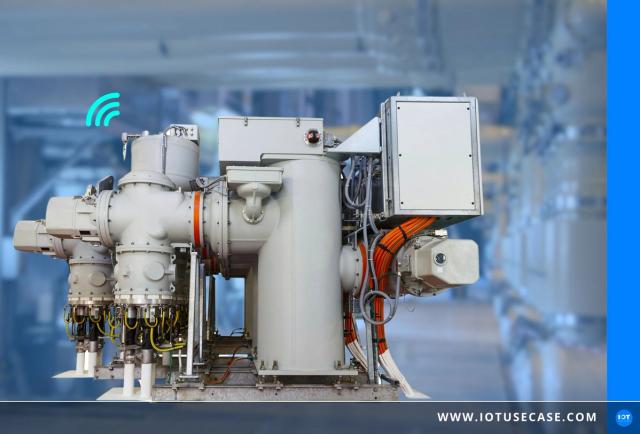
In the solution example, WIKA equips switchgear with sensors for gas density and moisture measurement. In indoor installations, they connect via cable and an edge gateway to the cloud or a local server. At large outdoor sites, LoRaWAN transmits the data over 10 kilometres or more; battery-powered low-power technology is sufficient because data volume and transmission frequency are not critical. In the cloud, users set site-specific limits that raise an alarm for excessive moisture, strong temperature swings or a sudden drop in gas pressure. Algorithms derive an expected range from historical data and warn before limits are reached. Customers can pull the data into their own platforms via an API.
The example comes from energy and environment, with use cases ranging from leak detection to predictive maintenance. WIKA offers operators of medium- and high-voltage installations measurement technology, software and service as a complete solution. According to WIKA, the system is set up within a few hours and configured in minutes. Automatically documented values replace some of the inspections by technicians. In podcast episode #126, Philipp Lausberger of WIKA explains the use case of SF₆-filled switchgear.
Podcast episodes featuring Insulating gas SF₆
SF6 leak detection: frequently asked questions
What does an SF6 gas density monitor measure in switchgear?
In SF6 switchgear, the main values measured are the density and moisture of the insulating gas. Falling density points to a leak, rising moisture indicates contamination. In the WIKA example, strong temperature swings or a sudden drop in gas pressure also trigger an alarm. Operators set the limits per customer and installation in the platform.
Why does SF6 gas handling benefit from continuous monitoring?
Continuous monitoring benefits SF6 gas handling because leaks impair switchgear operation and the gas is highly damaging to the climate. SF₆ insulates the electrical conductors and reduces sparks and arcing during switching. According to WIKA, gas-related failures rise sharply 15 to 25 years after installation. Because SF₆ has to be pumped out and captured during maintenance, it pays to intervene only when needed.
How does SF6 monitoring data get into the cloud?
Depending on the installation, the data reaches the cloud by cable or radio. For indoor installations, WIKA connects the sensors via cable and an edge gateway to the cloud or a local server. At large outdoor sites, LoRaWAN with a gateway bridges distances of 10 kilometres or more. Battery-powered low-power technology is sufficient for SF₆ because only small data packets are sent at longer intervals.
Does SF6 monitoring help with environmental regulations?
Yes, SF6 monitoring helps because it reveals leaks early and documents the readings automatically. According to WIKA, this reduces SF₆ emissions and potential penalties arising from environmental regulations. For topics such as diagnostics, compliance and documentation, WIKA works with industry-specific partners, and the data is also available via an API for this purpose.
More assets in “Fluids & Gases”

Compressed air
Compressed air leak detection with IoT continuously measures flow, pressure and compressor load, revealing leaks and unused running times. This cuts the cost of one of the most expensive forms of energy in manufacturing.

Indoor air
Indoor air quality monitoring with IoT means sensors continuously record CO₂, fine dust, particles, temperature and humidity and report limit violations immediately. Operators protect employees, safeguard product quality and heat and ventilate according to demand.

Drinking water
Water network leak detection for drinking water continuously measures pressure, flow and consumption with IoT and reports deviations immediately. Utilities find leaks, pipe bursts and water theft sooner and lose less drinking water.

Groundwater
Groundwater monitoring with IoT measures levels automatically and transmits them by radio to a platform. Authorities, utilities, construction sites and businesses with their own well replace manual measurements and are alerted to critical water levels or pump faults.

Wastewater
Wastewater flow measurement, levels and water quality can be recorded with IoT directly at pipes, basins and discharge points. Operators see wastewater volumes in real time, respond faster to faults and meet reporting obligations without daily sampling.

Molten metal
In foundry melting and vacuum metallurgy, IoT continuously records the melt pool, fill level, temperature and pressure of molten metal. Deviations show up before a batch becomes unusable or a furnace runs empty.
IIoT Use Case user group
What no project tells you
What did the project cost? Which sensor didn't survive in the field? How did you get maintenance on board? 300+ industrial users discuss questions like these with each other every month, openly and without vendors in the room.
Frequent topics in these projects, bring your questions:
- Condition Monitoring
- Corrective maintenance
- Predictive Maintenance
Online every month
Alternating tech and business focus
Users only
No sales pitches, exchange under NDA
300+ members
OT, IT and IIoT leads from industry