Compressed air
Compressed air leak detection with IoT continuously measures flow, pressure and compressor load, revealing leaks and unused running times. This cuts the cost of one of the most expensive forms of energy in manufacturing.
Compressed air at a glance
Most frequent in the projects on this page
Use cases
Industries
Users in these projects


Verified projects featuring Compressed air
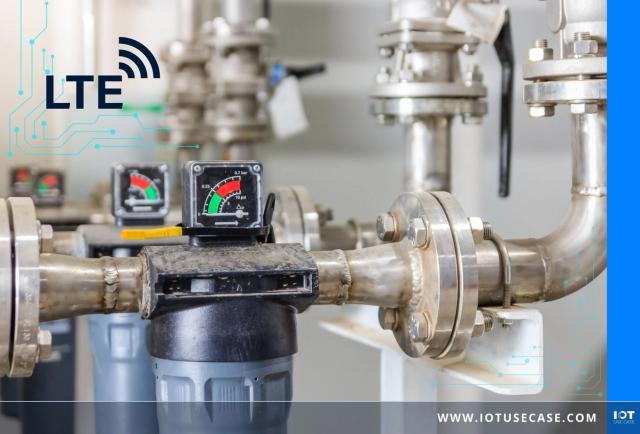



IoT monitoring uncovers energy losses and leaks in compressed air
An LTE sensor from achtBytes measures the pressure in the compressed air system and reveals unnecessary compressor run times, excessive operating pressure and leaks, without any connection to company IT. In one case, the compressor started more than 20 minutes earlier than necessary.



Compressed air monitoring in a food plant – 17% lower energy demand
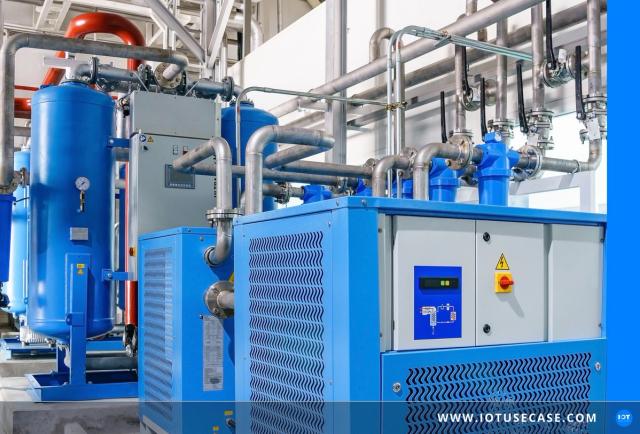





Operating compressed air compressors efficiently with remote monitoring





Reducing energy costs through targeted compressed air monitoring
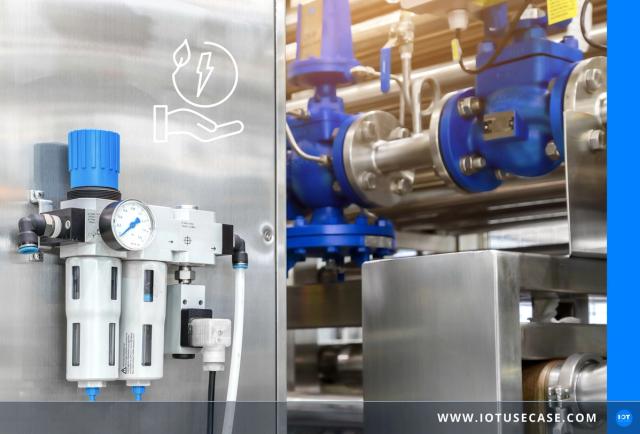





Saving energy with IoT compressed air monitoring in production
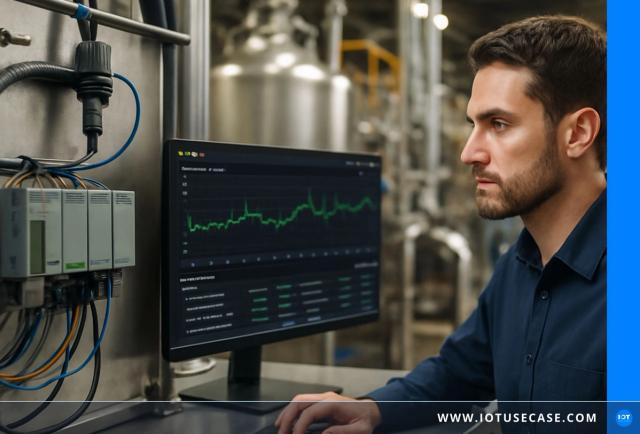





Making data-based decisions – with real-time monitoring and system integration
- Compressed air under control – detecting leaks, avoiding failures
- Detecting unused compressor runtimes and leakages with a scalable IoT platform
- How to safeguard your processes with digital data acquisition
- Efficient energy management with intelligent compressed air sensors
- Digitally leverage optimisation potential in building services engineering
- AI facilitates detection of leaks in compressed air systems
- Detecting leaks in compressed air systems with energy monitoring
- Making energy consumption visible
- Automatic detection of pneumatic leaks reduces energy consumption
- More transparency with energy data management
Compressed air leak detection: measure losses, don't hunt for them
In the solution examples, flow sensors such as the SICK FTMg or sensors from SMC and ifm measure flow rate, pressure and temperature directly in the supply line to the machine. Via IO-Link masters, Modbus or MQTT, the values reach an edge device or a cloud platform, and for compressors also via cellular or NB-IoT. Leaks show up when compressed air flows although nothing is being produced, for example at weekends and on public holidays. Machine learning systems such as Emerson's evaluate the pressure curve of individual pneumatic cylinders and assign a leak to the right component. The same data serves as the basis for energy management in line with ISO 50001.
The examples come from the food, metal, automotive and home appliance industries, as leak detection within condition monitoring or energy monitoring. With a solution from in.hub, a food plant reduced the energy demand of its compressed air generation by 17 percent. STEGO Elektrotechnik used the achtBytes IoT platform to cut the morning warm-up of its compressors from 30 to 7 minutes. In its fully automated plants, BSH Hausgeräte has pneumatic leaks detected by a machine learning solution from Emerson and AIM, earlier than regular inspection rounds would find them.
Podcast episodes featuring Compressed air
OPC UA Forge: Unified Namespace for Legacy Factory Data
Energy Efficiency with IO-Link and AI – Practical Insights from achtBytes
Food Production Saves Energy with autinityE3
- IoT in Manufacturing: EXOR and AIRCO Connect Brownfield Environments
- New customer requirements for manufacturers: Developing the business case with the SIINEOS operating system
- Energy Monitoring as a Service Component in Production Automation
- From product development to digital service management
- CO2 & Energy Management with IIoT Software
- Saving energy and CO2 with smart pneumatic components – About wear of rubber seals and consumption measurements
- Energy management via load profile analysis, meters, heat maps and Excel spreadsheets – Connectivity and availability of private 5G campus networks
- Wireless Communication and Industrial IoT | What are the possible applications for my IoT project with LTE-M, NB-IoT and 5G? | Eric Scheithauer | Sierra Wireless
Compressed air leak detection: frequently asked questions
How does compressed air leak detection with IoT work?
Sensors permanently measure flow and pressure in the supply lines and report the values to a platform. If compressed air flows while machines are idle, or consumption rises without higher output, this points to a leak. Machine learning systems detect deviations in the pressure curve of individual cylinders and show which component is losing air. This makes troubleshooting much faster than regular inspection rounds.
What is the cost of compressed air leaks?
Leaks are among the biggest cost drivers in compressed air supply. According to the solution examples, around 10 to 15 percent of industrial electricity consumption goes into generating compressed air, and in systems that have not been serviced for a while, up to 30 percent of the compressed air produced can escape through leaks. Overloaded compressors and machine faults add to this. After fixing the leaks it had found, one food plant saved 18.6 MWh per year.
What is a connected compressed air flow meter used for?
A connected compressed air flow meter shows how much compressed air each machine or line actually consumes. Sensors such as the SICK FTMg measure flow rate, pressure and temperature and transmit the values via IO-Link or Ethernet. This reveals leaks, load peaks and consumption per manufactured part, for example per aluminium wheel in a project by HEITEC and SMC. The data also feeds into energy management in line with ISO 50001.
Does IoT monitoring replace a compressed air leak detector?
IoT monitoring does not replace every manual check, but it changes when and where you search. Instead of walking through the hall with a leak detector at fixed intervals, the system reports a leak as soon as consumption deviates and shows in which area or on which machine it occurs. At BSH, the Emerson solution uncovers leaks much earlier than regular inspection rounds and shows where in the plant they occur.
More assets in “Fluids & Gases”

Indoor air
Indoor air quality monitoring with IoT means sensors continuously record CO₂, fine dust, particles, temperature and humidity and report limit violations immediately. Operators protect employees, safeguard product quality and heat and ventilate according to demand.

Drinking water
Water network leak detection for drinking water continuously measures pressure, flow and consumption with IoT and reports deviations immediately. Utilities find leaks, pipe bursts and water theft sooner and lose less drinking water.

Groundwater
Groundwater monitoring with IoT measures levels automatically and transmits them by radio to a platform. Authorities, utilities, construction sites and businesses with their own well replace manual measurements and are alerted to critical water levels or pump faults.

Wastewater
Wastewater flow measurement, levels and water quality can be recorded with IoT directly at pipes, basins and discharge points. Operators see wastewater volumes in real time, respond faster to faults and meet reporting obligations without daily sampling.

Molten metal
In foundry melting and vacuum metallurgy, IoT continuously records the melt pool, fill level, temperature and pressure of molten metal. Deviations show up before a batch becomes unusable or a furnace runs empty.

Beer
In a commercial brewery, IoT sensors measure the density, temperature and material properties of the beer directly in production. Breweries see values such as sugar and alcohol in real time instead of drawing samples and waiting for the lab.
IIoT Use Case user group
What no project tells you
What did the project cost? Which sensor didn't survive in the field? How did you get maintenance on board? 300+ industrial users discuss questions like these with each other every month, openly and without vendors in the room.
Frequent topics in these projects, bring your questions:
- Energy Monitoring
- Condition Monitoring
- Corrective maintenance
Online every month
Alternating tech and business focus
Users only
No sales pitches, exchange under NDA
300+ members
OT, IT and IIoT leads from industry