

Hydraulic tank
Hydraulic reservoir monitoring records fill level, tank temperature and return-line temperature in a hydraulic power unit. If the hydraulic tank's oil drops or gets too warm, maintenance is alerted immediately, before the unit runs dry or shuts down.
Hydraulic tank at a glance
Most frequent in the projects on this page
Industries
Users in these projects

Verified projects featuring Hydraulic tank
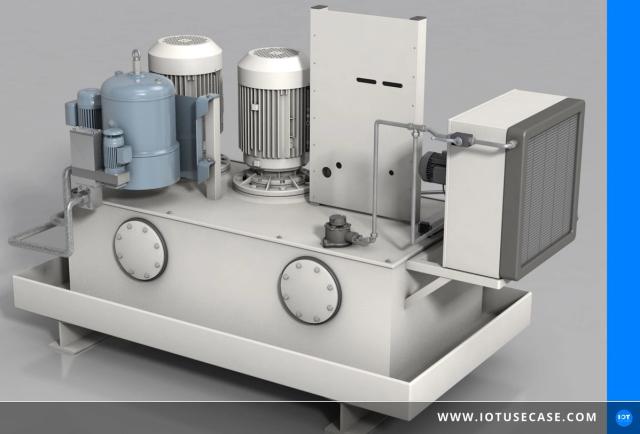



Hydraulic reservoir monitoring: level and temperature
In the solution example, ifm's moneo software records the readings via an edge device. Existing level sensors are integrated or newly fitted to the tanks, joined by a vibration sensor and an inductive sensor on the pump and pressure sensors that measure differential pressure across the hydraulic filter. Values reach moneo via IO-Link masters. Existing analogue sensors can be tapped via a Y-path retrofit. moneo outputs the data via MQTT or OPC UA and forwards warnings through its SFI interface directly to SAP PM or sends them by email.
The example comes from metal and electronics, with condition monitoring and level measurement as use cases. ifm uses it to monitor the hydraulic power units of test rigs, such as an impulse pressure test rig that puts pressure sensors through accelerated life testing. Return-line temperature is critical: above 62 degrees, the unit shuts down and the whole system fails. moneo therefore also records the temperature difference between tank contents and return line. When needed, the system orders the required spare parts automatically, and filters are cleaned at the right time rather than on a fixed cycle.
Hydraulic reservoir monitoring: frequently asked questions
Why monitor hydraulic tank temperature?
Temperature shows whether the hydraulic power unit is operating within its permitted range. In ifm's solution example, moneo records tank temperature, return-line temperature and the difference between them. If return-line temperature exceeds 62 degrees, the unit shuts down and the entire system fails. An alarm on deviations gives maintenance time to step in beforehand.
How does hydraulic oil level monitoring work?
Fill level is measured by level sensors on the tank, which are either already installed and integrated or newly fitted. In ifm's example, their readings reach the moneo software via IO-Link masters. If the hydraulic oil in the tank drops, the maintenance technician receives an email or a notification in SAP PM. This matters because a hydraulic power unit must never run dry.
Why monitor the hydraulic tank return line?
Return-line temperature is an important limit for operating a hydraulic power unit. In the solution example, if it exceeds 62 degrees, the unit shuts down and the entire system fails. moneo therefore monitors return-line temperature continuously and compares it with the temperature of the tank contents. Automated alarm management reports deviations immediately and enables a preventive response.
What does hydraulic filter differential pressure indicate?
Differential pressure shows how contaminated the hydraulic filter is. Because dirt ingress into a hydraulic system can hardly be prevented, filters must be cleaned or replaced regularly. In ifm's example, pressure sensors measure the differential pressure and send it to moneo. Cleaning then takes place at the right time, and cyclical checks are no longer necessary.
More assets in “Containers, Silos and Tanks”

Transport container
Shipment monitoring with IoT reports where a transport container is and whether anyone opens it without authorisation. For valuable or sensitive goods, the system raises an alarm immediately instead of a theft only being noticed by the recipient.

Load carrier
An RTLS locates load carriers such as mesh boxes, pallets and bins across halls and plants in real time. Companies cut search times, replace accompanying paperwork and manual scanning, and trigger bookings and transports automatically.

Pallet
Pallet tracking with IoT shows where every pallet is, what is on it and how much stock remains. Sensors, RFID and wireless networks replace search trips, manual scanning and stocktaking counts with a forklift.

Process vessel
Process monitoring with IoT continuously records level, temperature, humidity and other parameters in a process vessel. Without inspection rounds, operators know when to refill or empty it and whether the contents are still usable.

Collection container
Waste container monitoring connects collection containers and waste locks so that they report fill levels and emptying events in real time. Operators see which containers are full, plan collections accordingly and bill by actual use.
Container
Container tracking software with IoT shows where a container is and its status, whether an air freight container, a container in a construction fleet or a unit shipped worldwide. Companies save search time and plan storage more precisely.
IIoT Use Case user group
What no project tells you
What did the project cost? Which sensor didn't survive in the field? How did you get maintenance on board? 300+ industrial users discuss questions like these with each other every month, openly and without vendors in the room.
Frequent topics in these projects, bring your questions:
- Condition Monitoring
- Corrective maintenance
Online every month
Alternating tech and business focus
Users only
No sales pitches, exchange under NDA
300+ members
OT, IT and IIoT leads from industry
