

Hydraulic oil
Oil condition monitoring with IoT continuously tracks the temperature, level, moisture and filter condition of hydraulic oil. Oil loss, overheating and contamination are detected before the power unit shuts down and the system stops.
Hydraulic oil at a glance
Most frequent in the projects on this page
Users in these projects


Verified projects featuring Hydraulic oil




Oil condition monitoring: keep hydraulic oil in check
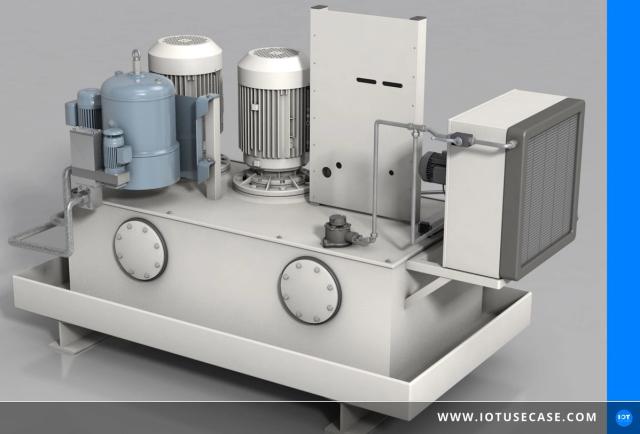
In the ifm solution example, the moneo software records system pressure, tank levels and temperatures, return temperature and pump vibration. A vibration sensor and an inductive sensor for speed and temperature sit on the pump, level sensors on the tanks and pressure sensors on the filter, whose differential pressure shows how contaminated it is. An IO-Link master sends the values to moneo, and existing analogue sensors can be tapped via a Y-connection. Warnings go out by email or via the SFI interface into SAP PM. FLSmidth uses ICONICS software on Microsoft Azure and its GraphWorX64 dashboards show, among other things, the moisture content of the hydraulic oil and oil leaks in the hydraulic system.
The examples come from metal and electronics and from mechanical and plant engineering, as condition monitoring and filter monitoring. ifm monitors the hydraulic power unit of an impulse pressure test rig, preventing unplanned downtime and making maintenance plannable. FLSmidth supports its customers' plants in the mining and cement industries from several monitoring centres. Using an ICONICS dashboard, the company detected an oil leak in a customer's crusher and prevented significant downtime. Alarm limits trigger emails to the monitoring teams.
Oil condition monitoring: frequently asked questions
What is monitored on hydraulic power units in industrial hydraulics?
On a hydraulic power unit, the main values monitored are oil temperature, tank level, return temperature, system pressure, pump vibration and filter condition. The power unit is the heart of the hydraulic system: if it fails, the entire process comes to a standstill. ifm's moneo software also records pump operating hours and the temperature difference between tank contents and return. If values deviate, alarm management issues a notification immediately.
How does IoT support hydraulic system maintenance when the oil gets too hot?
IoT reports rising oil temperatures to maintenance before the power unit shuts down and the entire system fails. In the ifm solution example, this limit is a return temperature of 62 degrees. That is why moneo continuously checks and compares the tank and return temperatures. If the temperature rises or the oil level falls, the maintenance technician receives an email or a notification in SAP PM.
How can hydraulic oil cleanliness be monitored?
Moisture and contamination can be detected through continuous measurement instead of waiting for an oil sample. FLSmidth remotely monitors the moisture content of hydraulic oil in its customers' plants in the mining and cement industries, and alarm limits trigger emails. At ifm, the differential pressure across the hydraulic filter shows the degree of contamination. The filter is cleaned at the right time, and cyclical checks are no longer needed.
How can hydraulic oil leaks be detected early?
Oil leaks are detected early when level and pressure are measured continuously and compared with limit values. If the hydraulic oil in the tank drops, ifm's moneo reports it to maintenance immediately. FLSmidth tracks oil leaks in the hydraulic system as a separate key figure. Using a dashboard, the company detected an oil leak in a customer's crusher and thereby prevented significant downtime of the plant.
More assets in “Fluids & Gases”

Compressed air
Compressed air leak detection with IoT continuously measures flow, pressure and compressor load, revealing leaks and unused running times. This cuts the cost of one of the most expensive forms of energy in manufacturing.

Indoor air
Indoor air quality monitoring with IoT means sensors continuously record CO₂, fine dust, particles, temperature and humidity and report limit violations immediately. Operators protect employees, safeguard product quality and heat and ventilate according to demand.

Drinking water
Water network leak detection for drinking water continuously measures pressure, flow and consumption with IoT and reports deviations immediately. Utilities find leaks, pipe bursts and water theft sooner and lose less drinking water.

Groundwater
Groundwater monitoring with IoT measures levels automatically and transmits them by radio to a platform. Authorities, utilities, construction sites and businesses with their own well replace manual measurements and are alerted to critical water levels or pump faults.

Wastewater
Wastewater flow measurement, levels and water quality can be recorded with IoT directly at pipes, basins and discharge points. Operators see wastewater volumes in real time, respond faster to faults and meet reporting obligations without daily sampling.

Molten metal
In foundry melting and vacuum metallurgy, IoT continuously records the melt pool, fill level, temperature and pressure of molten metal. Deviations show up before a batch becomes unusable or a furnace runs empty.
IIoT Use Case user group
What no project tells you
What did the project cost? Which sensor didn't survive in the field? How did you get maintenance on board? 300+ industrial users discuss questions like these with each other every month, openly and without vendors in the room.
Frequent topics in these projects, bring your questions:
- Condition Monitoring
- Corrective maintenance
- Sustainability (ESG)
Online every month
Alternating tech and business focus
Users only
No sales pitches, exchange under NDA
300+ members
OT, IT and IIoT leads from industry
