Heating system
Commercial heating controls with IoT record temperatures, operating times and energy consumption of heating systems in offices, shops and data centres. Operators regulate heating by demand rather than across the board, detect faults early and reduce energy consumption.
Heating system at a glance
Most frequent in the projects on this page
Use cases
Industries
Technologies
Users in these projects


Verified projects featuring Heating system
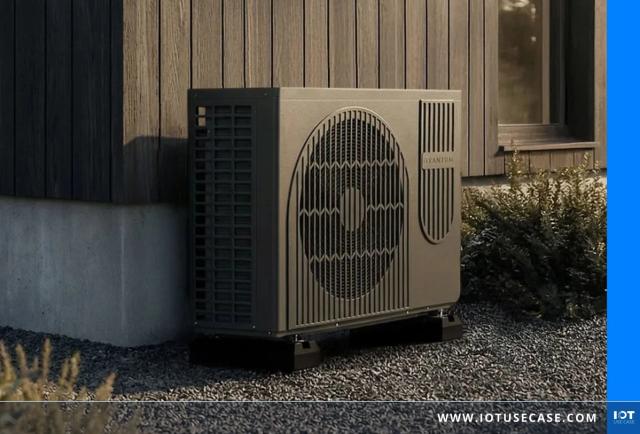



Servicing heat pumps remotely via built-in cellular
Qvantum equips every heat pump with a cellular modem and Telekom IoT SIM at the factory. From the moment it is switched on, the unit is online: installers get remote support, QDoctor flags faults, and an algorithm cuts energy costs by up to 20%.
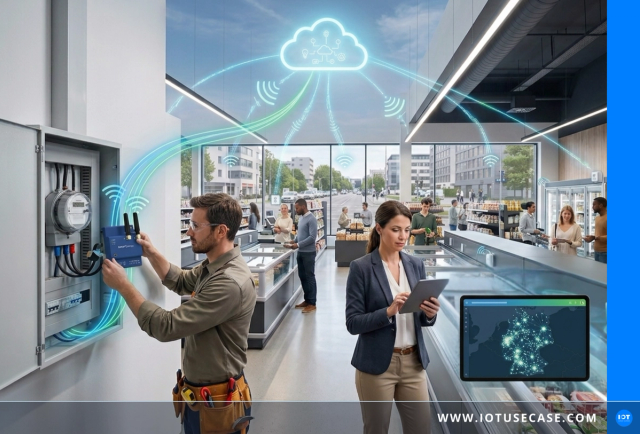





IoT energy monitoring creates cross-site transparency
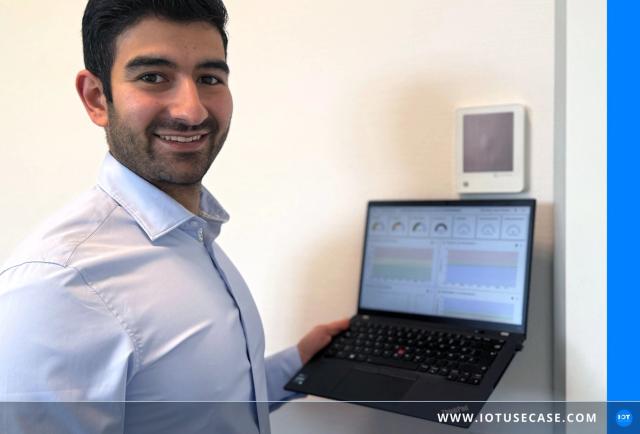


Smart Heating with LoRaWAN®: Reduce heating energy by up to 30%
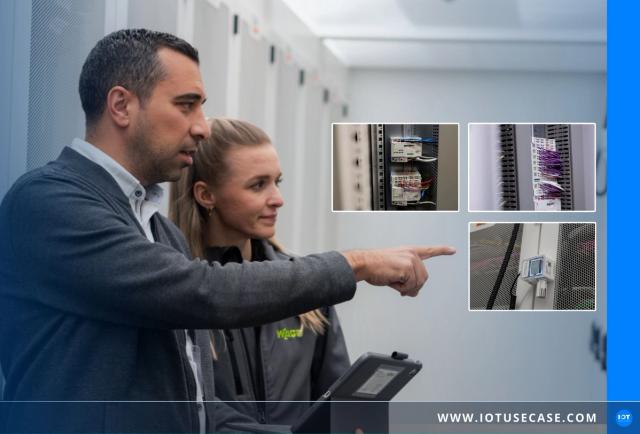



Reducing energy consumption in the data centre with AI & automation
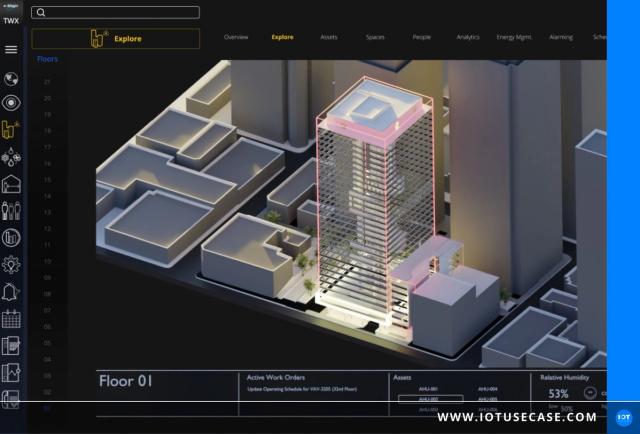



Azure Marketplace: TwinWorX® – Centralized Monitoring and Control of Facilities
Commercial heating controls: cut heating energy in business buildings
In the solution examples, retrofitted heating actuators regulate heat according to temperature, presence and time profiles, air quality sensors measure CO₂, temperature and particulate matter, and the data travels via LoRaWAN to a dashboard. In retail networks, the PSsystec IoT Energymonitor reads existing meters for electricity, gas and heat without intervention and transmits the values, encrypted, to Deutsche Telekom’s Cloud of Things. In data centres, WAGO controllers monitor heating, ventilation and air conditioning systems and make the data available to an AI via Modbus. The Azure-based TwinWorX platform combines telemetry from heating, cooling and pumps in a digital twin and raises alarms when thresholds are reached.
The examples come from the energy sector, retail, and technology and telecommunications, typically for energy management, smart metering and emissions management. CURRENTA retrofitted a 300 m² office building with 16 actuators and eight air quality sensors in two weeks and lowered the room temperature from 23–24 °C to 20 °C. A retailer with more than 600 branches cut its energy costs by 5 to 10 per cent with PSsystec. With WAGO, NTT DATA is equipping 35 of its 45 buildings in Europe with AI-based optimisation.
Podcast episodes featuring Heating system
Commercial heating controls: frequently asked questions
How does heating optimisation work in office buildings?
In office buildings, heating optimisation works mainly by regulating heat according to use, time of day and weather. At CURRENTA, the heating used to run constantly at 22 to 24 °C, regardless of occupancy or outdoor temperature. Today, 16 retrofitted actuators regulate the heat according to temperature, presence and time profiles, and a dashboard shows temperature curves, operating times and consumption. The average room temperature fell to 20 °C.
How is a heating system integrated into a building management system?
The heating system is integrated via controllers that exchange readings and control commands between the plant and the management level. At NTT DATA, WAGO controllers have long monitored heating, ventilation and air conditioning systems and also provide the operating data via Modbus to an AI designed to set all units to their optimum operating state every minute. TwinWorX models a building’s heating, cooling and circulation pumps as a digital twin and sends alarms by email or to a smartphone.
What role does heating play in an energy management system?
In an energy management system, heating supplies consumption and operating data that reveal base loads and load peaks. A retailer with more than 600 branches records the electricity, gas and heat meters at all sites with PSsystec and has eliminated unnecessary continuous consumption, for example from systems running outside opening hours. At its Sondershausen logistics centre, WAGO uses KPI monitoring for heating and cooling, which also provides the data basis for ESG reporting.
How can individual room control be retrofitted in existing office buildings?
Individual room control in existing office buildings can be retrofitted with wireless heating actuators and sensors that communicate via a network such as LoRaWAN. CURRENTA equipped an office building with 16 actuators and eight sensors for CO₂, temperature and particulate matter. It used the existing LoRaWAN infrastructure from Conneqtive, which is also suitable for further buildings. Implementation took two weeks, and a central dashboard makes the values visible.
More assets in “Machinery and Equipment”

Pump
Pump monitoring with IoT records vibration, temperature, pressure and energy consumption of running pumps. Operators detect damage and faults before a pump fails and plan maintenance by condition rather than at fixed intervals.

Compressor
With IoT, compressor maintenance follows actual condition: sensors record current consumption, pressure, temperature and running times. Operators detect creeping damage and unused running time early and cut energy and service costs.

Electric motor
Motor condition monitoring with IoT continuously measures the vibration, temperature and current draw of electric motors. Operators detect imbalance, bearing damage or winding faults early and replace motors based on condition rather than after a failure.

Packaging machine
OEE software automatically records run times, downtime, speed and rejects on packaging machines from the machine signals. Operators see where their lines lose performance, and machine builders use the same data for remote access and digital services.

Refrigeration system
A refrigeration monitoring system makes service plannable: temperatures, refrigerant circuit pressures, compressor status and energy consumption flow into a platform in real time. Operators and service partners detect faults early, avoid unnecessary site visits and reduce excess consumption.

Air conditioning system
Commercial air conditioning systems in offices, retail branches and data centres can be monitored remotely with IoT. Operators see energy consumption, temperatures and faults in one place, detect failing compressors or refrigerant shortages early and plan service visits precisely.
IIoT Use Case user group
What no project tells you
What did the project cost? Which sensor didn't survive in the field? How did you get maintenance on board? 300+ industrial users discuss questions like these with each other every month, openly and without vendors in the room.
Frequent topics in these projects, bring your questions:
- Energy Monitoring
- Condition Monitoring
- Corrective maintenance
Online every month
Alternating tech and business focus
Users only
No sales pitches, exchange under NDA
300+ members
OT, IT and IIoT leads from industry