Gas cylinder
Gas cylinder management with IoT lets gas suppliers and operators see at any time how much content is left in distributed gas cylinders. Deliveries can be planned in good time, shortages avoided and routes run more efficiently.
Gas cylinder at a glance
Most frequent in the projects on this page
Verified projects featuring Gas cylinder
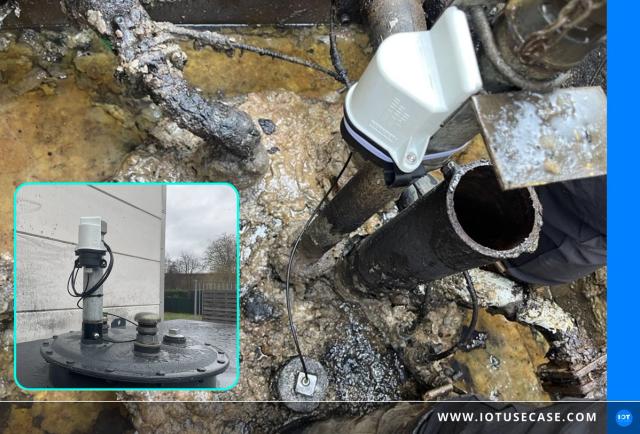




Gas cylinder management: see stock levels, plan deliveries
In the solution example, battery-powered telemetry units from Sensile Technologies sit directly on gas cylinders, tanks and filling stations. Because the media are explosive, the devices are rugged, waterproof and explosion-proof to ATEX Zone 0 and UL Class I, Div 1. Using an optimised antenna, they send their readings via cellular networks (NB-IoT and CAT-M) or via LoRaWAN, even from hard-to-reach locations. The data comes together in the Oil Link portal, hosted in Switzerland: users customise dashboards, set alarms and access real-time values, analyses and forecasts.
The example comes from the chemicals and raw materials sector and focuses on inventory management, automatic reordering and route planning. WIKA describes the solution of its partner Sensile Technologies: suppliers use the data to order at the best time, avoid stock shortages, optimise transport and spot unusual consumption patterns. Instead of rush deliveries or premature small loads, Oil Link schedules the right delivery date. Unusual consumption enables preventive action and proactive customer service before a customer runs out of gas.
Gas cylinder management: frequently asked questions
How can industrial gas cylinders be monitored remotely?
Industrial gas cylinders are fitted with a battery-powered telemetry unit that records the content and sends the values via cellular network or LoRaWAN to a portal. In the Sensile Technologies example, the data arrives in the Oil Link portal. There, suppliers see the current status of each cylinder, receive alarms when content runs low and use forecasts to plan the next delivery.
What does IoT add to compressed gas cylinder storage?
IoT makes stock in compressed gas cylinder storage and at customer sites visible without anyone having to check on site. The telemetry units report their values automatically, and the portal raises alarms at critical levels. Suppliers can trigger orders at the right time, avoid stock shortages and spot unusual consumption patterns. With widely distributed sites in particular, this saves inspection trips.
What must sensors on gas cylinders meet in hazardous areas?
Sensors on gas cylinders must be approved for potentially explosive areas, because the media are explosive. The Sensile Technologies telemetry units are explosion-proof to ATEX Zone 0 and UL Class I, Div 1. They are also rugged, waterproof and battery-powered, so they work without a mains connection even at isolated or hard-to-reach sites.
How does IoT-based cylinder management improve delivery logistics?
IoT-based cylinder management replaces fixed delivery cycles with deliveries based on actual demand. In the Oil Link portal, the software plans the ideal delivery date from real-time data and forecasts. Rush deliveries and premature deliveries of small quantities are avoided, and routes can be combined. According to WIKA, this also reduces the carbon footprint of deliveries.
More assets in “Containers, Silos and Tanks”

Transport container
Shipment monitoring with IoT reports where a transport container is and whether anyone opens it without authorisation. For valuable or sensitive goods, the system raises an alarm immediately instead of a theft only being noticed by the recipient.

Load carrier
An RTLS locates load carriers such as mesh boxes, pallets and bins across halls and plants in real time. Companies cut search times, replace accompanying paperwork and manual scanning, and trigger bookings and transports automatically.

Pallet
Pallet tracking with IoT shows where every pallet is, what is on it and how much stock remains. Sensors, RFID and wireless networks replace search trips, manual scanning and stocktaking counts with a forklift.

Process vessel
Process monitoring with IoT continuously records level, temperature, humidity and other parameters in a process vessel. Without inspection rounds, operators know when to refill or empty it and whether the contents are still usable.

Collection container
Waste container monitoring connects collection containers and waste locks so that they report fill levels and emptying events in real time. Operators see which containers are full, plan collections accordingly and bill by actual use.
Container
Container tracking software with IoT shows where a container is and its status, whether an air freight container, a container in a construction fleet or a unit shipped worldwide. Companies save search time and plan storage more precisely.
IIoT Use Case user group
What no project tells you
What did the project cost? Which sensor didn't survive in the field? How did you get maintenance on board? 300+ industrial users discuss questions like these with each other every month, openly and without vendors in the room.
Frequent topics in these projects, bring your questions:
- Asset Management
- Condition Monitoring
- Fleet Management
Online every month
Alternating tech and business focus
Users only
No sales pitches, exchange under NDA
300+ members
OT, IT and IIoT leads from industry