Dryer
An industrial dryer or industrial drying oven with IoT connectivity controls temperature automatically, records the temperature curve without gaps and can be operated remotely. Operators avoid production stops caused by incorrectly heated materials and reduce energy demand.
Dryer at a glance
Most frequent in the projects on this page
Industries
Technologies
Verified projects featuring Dryer








Industrial drying oven: reliable heating, lower energy use
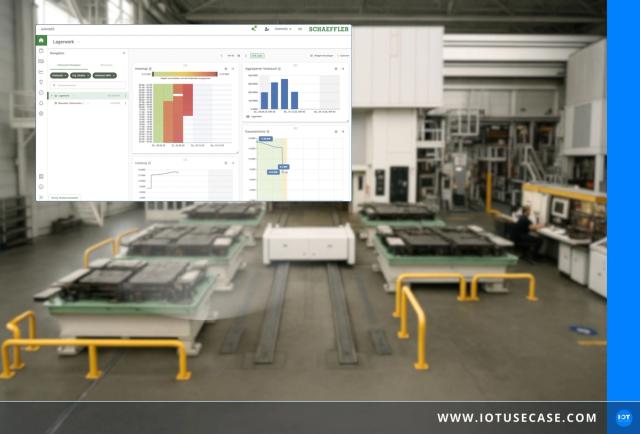
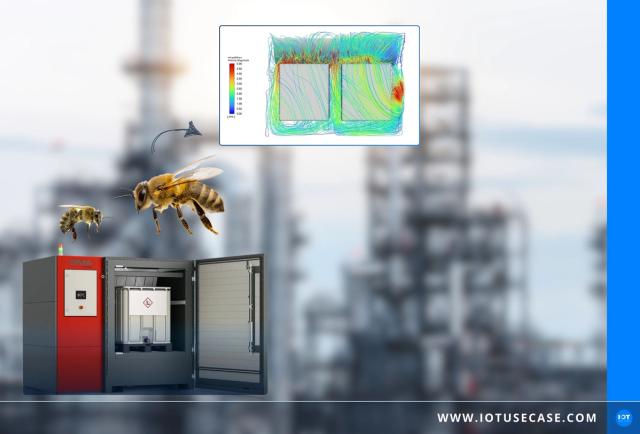
The DENIOS Heating Box is an industrial heat chamber that uses warm air to heat containers such as 200-litre steel drums or 1,000-litre IBCs. It is operated via an EXOR eSmart series HMI with a 7-inch touchscreen certified for ATEX Zone 2, while a small PLC controls the warm air systems. Each box has a router with its own SIM card and sends data every minute via NB-IoT to a cloud platform, while also storing it locally on the HMI. For dryers in manufacturing, the autinityE3 software from Schaeffler Digital Solutions records the energy consumption of individual plants in real time and displays it in a cockpit with comparison values.
The examples come from the chemical industry and from energy monitoring in manufacturing. With the DENIOS and EXOR Heating Box, heating operating materials becomes predictable, and proof that temperature windows were met is available digitally. In a phosphating plant, the temperature setpoints of a hot air dryer were lowered and its runtime control adjusted, with autinityE3 supporting configuration, monitoring and validation of the measure. In episode #142, EXOR and DENIOS talk about heating hazardous substances safely.
Podcast episodes featuring Dryer
Industrial drying ovens: frequently asked questions
How can an industrial drying system be controlled remotely?
An industrial warm-air drying system can be controlled remotely when it has its own cellular connection to a cloud platform. The DENIOS Heating Box has a router with its own SIM card for this, so there is no need to integrate it into the company network. Data goes to the cloud every minute and is also stored on the HMI. Control works on site or remotely, while a small PLC regulates the warm air.
How does an industrial drying cabinet prove that temperatures were maintained?
An industrial drying cabinet proves that temperatures were maintained by recording temperature curves without gaps. Chemical companies have to show clients or authorities that certain temperature windows were met. The Heating Box holds the selected parameters precisely and keeps heating until the core temperature is right. In the cloud, middleware enables reporting, export and integration into customer systems.
How can savings potential be found on an industrial hot air dryer?
Savings potential on an industrial hot air dryer is found by recording its energy consumption individually rather than only at site level. In many plants it remains unclear where electricity and heat are used or wasted, and auxiliary processes such as dryers are rarely analysed. autinityE3 from Schaeffler Digital Solutions records energy data from machines, plants and infrastructure in real time. A cockpit with comparison values reveals outliers and high base loads outside production hours.
How can the energy demand of a dryer on a phosphating line be reduced?
The energy demand of a dryer on a phosphating line can be reduced by lowering temperature setpoints and adjusting runtime control. This is exactly what was done on the hot air dryer in the Schaeffler Digital Solutions example. autinityE3 supported the configuration, monitored operation and validated the measure using the readings. This means the savings can be proven rather than just estimated. New plants and data points can be added step by step.
More assets in “Machinery and Equipment”

Pump
Pump monitoring with IoT records vibration, temperature, pressure and energy consumption of running pumps. Operators detect damage and faults before a pump fails and plan maintenance by condition rather than at fixed intervals.

Compressor
With IoT, compressor maintenance follows actual condition: sensors record current consumption, pressure, temperature and running times. Operators detect creeping damage and unused running time early and cut energy and service costs.

Electric motor
Motor condition monitoring with IoT continuously measures the vibration, temperature and current draw of electric motors. Operators detect imbalance, bearing damage or winding faults early and replace motors based on condition rather than after a failure.

Packaging machine
OEE software automatically records run times, downtime, speed and rejects on packaging machines from the machine signals. Operators see where their lines lose performance, and machine builders use the same data for remote access and digital services.

Refrigeration system
A refrigeration monitoring system makes service plannable: temperatures, refrigerant circuit pressures, compressor status and energy consumption flow into a platform in real time. Operators and service partners detect faults early, avoid unnecessary site visits and reduce excess consumption.

Air conditioning system
Commercial air conditioning systems in offices, retail branches and data centres can be monitored remotely with IoT. Operators see energy consumption, temperatures and faults in one place, detect failing compressors or refrigerant shortages early and plan service visits precisely.
IIoT Use Case user group
What no project tells you
What did the project cost? Which sensor didn't survive in the field? How did you get maintenance on board? 300+ industrial users discuss questions like these with each other every month, openly and without vendors in the room.
Frequent topics in these projects, bring your questions:
- Digital Documentation
- Energy Monitoring
- Quality Management
Online every month
Alternating tech and business focus
Users only
No sales pitches, exchange under NDA
300+ members
OT, IT and IIoT leads from industry